
Custom Patches Blog for USA Teams and Brands
Practical USA guides: jacket patches, woven vs embroidered, bulk runs, digitizing, workwear uniforms, biker colors, sew-on application, where to buy, backings, sizing, and how to order with a free 12-hour mockup.

Bulk Custom Patches for Tattoo Shops: Pricing and Timelines
A tattoo-shop patch quote starts with the stitched area, not just the piece count. See how artwork, borders, backing, quantity, and deadlines affect the bill and the finished patch.
Read article →
Bulk Custom Patches for Trucking Companies: Pricing and Timelines
Stitched area, order size, and garment requirements drive trucking patch quotes. Here’s where to simplify a fleet logo, where backing earns its cost, and how approval affects the schedule.
Read article →
Custom Patch Ideas for Restaurants and Food Trucks
Put the restaurant name ahead of the food joke. A practical take on readable patch designs, laundry-ready attachment, and which ideas belong on uniforms versus merchandise.
Read article →
Custom Patches vs Embroidered Hats and Shirts for Chicago Teams
Patches make sense when one team emblem needs to work across different gear. Direct embroidery often wins on matching polos and simple cap logos. Here is where attachment, garment construction, and repeat orders change the decision.
Read article →
How Fast Can You Get Custom Patches in New York City?
A practical comparison of standard and rush patch orders for New York City, including approval time, garment choices, shipping, and when the simpler option makes more sense.
Read article →
Patch Ideas for Indianapolis Sports Teams and Local Brands
Start with bold embroidery for team caps and jacket badges. Choose woven construction when small lettering or detailed artwork needs more room than the patch allows.
Read article →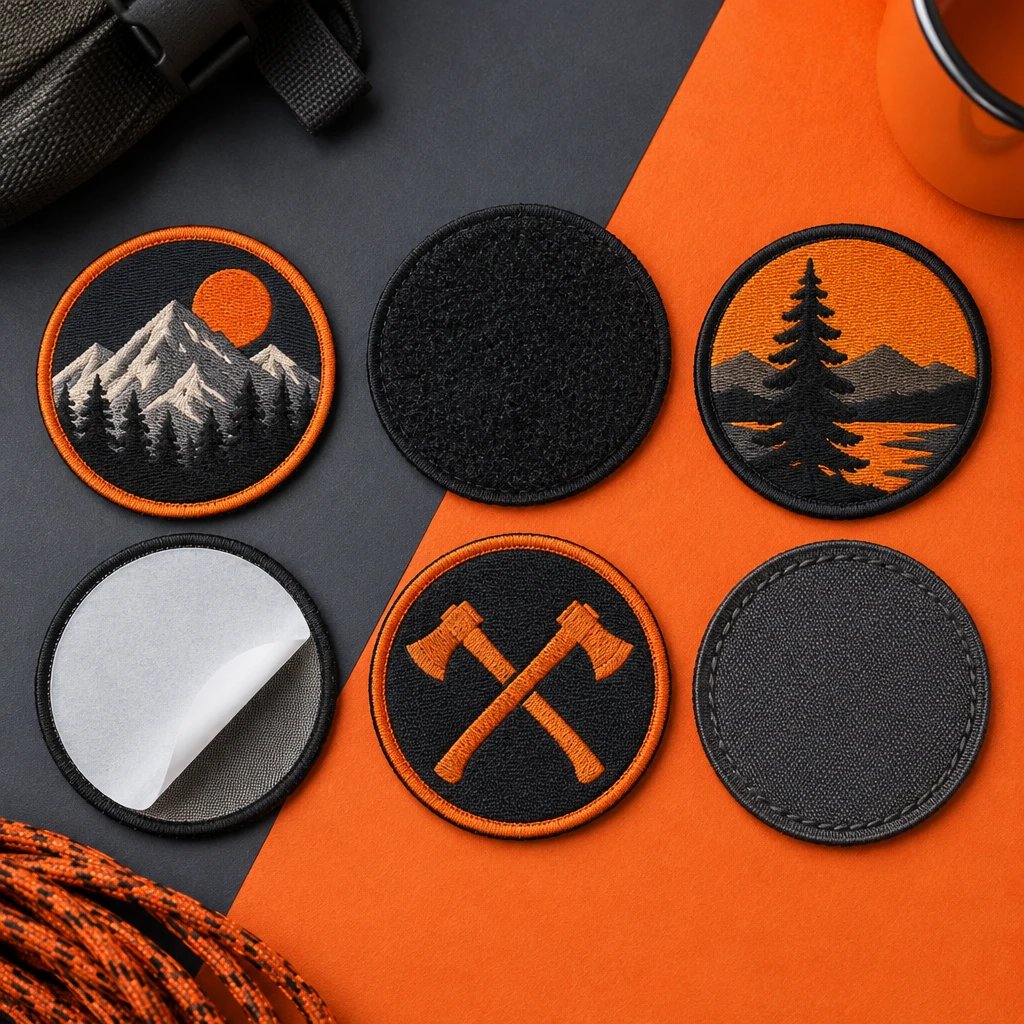
Adhesive vs Heat Seal Patch Backing: Pros Cons and Best Uses
Peel-and-stick backing makes sense for a short event. Heat seal makes more sense for compatible workwear. Here is where each option works, where it fails, and when sewing avoids the problem.
Read article →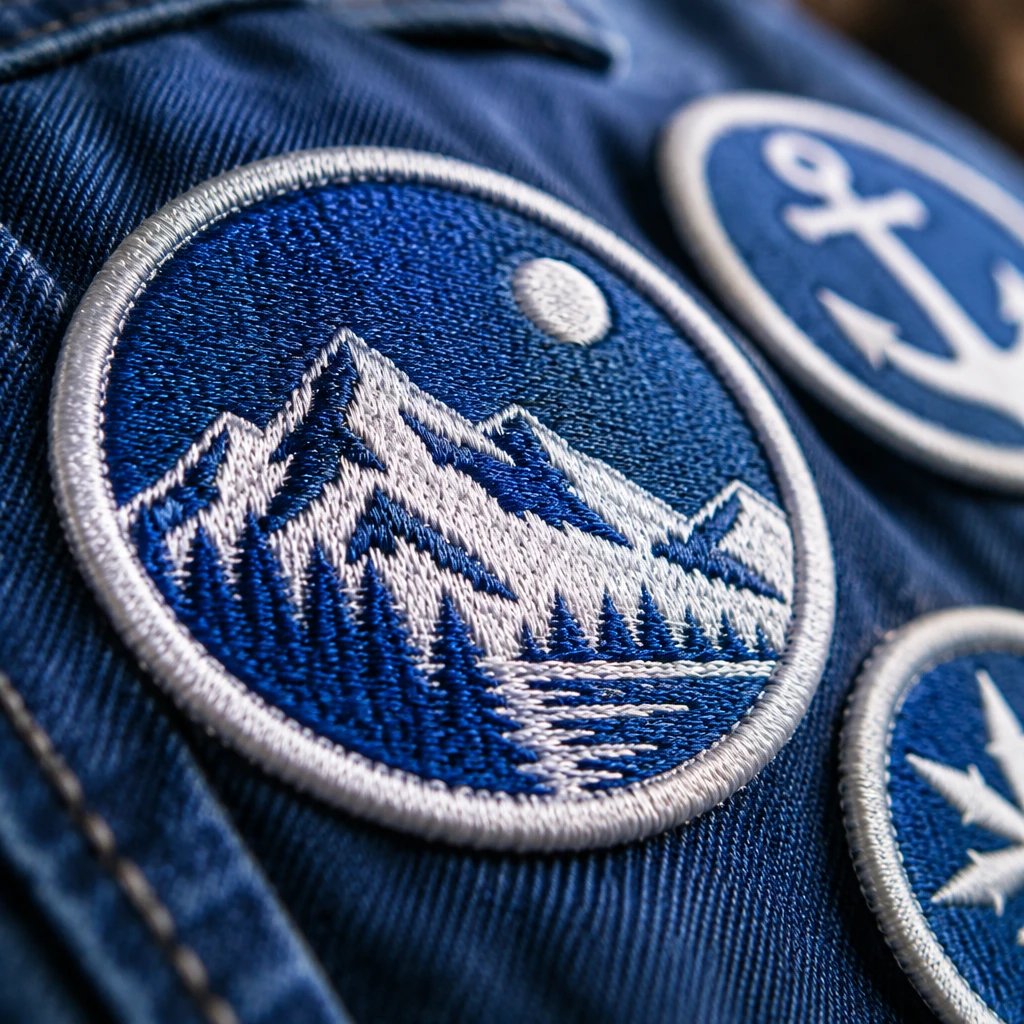
How Do You Wash a Jacket With Patches Without Ruining Them?
A loose corner matters more than the patch's appearance. These production notes explain how thread, borders, backing, and jacket fabric change the washing instructions.
Read article →
Bulk Custom Patches for Bands and Musicians: Pricing and Timelines
A practical look at what changes a band patch quote, where simpler specifications save money, and how to work backward from a tour or release date.
Read article →
Bulk Custom Patches for Corporate Teams: Pricing and Timelines
A practical look at what moves a corporate patch quote, what is worth paying for, and how to keep artwork approval from eating into your delivery schedule.
Read article →
How Barbershops Can Order Custom Patches Without Mistakes
A readable logo is only half the job. Avoid the patch-ordering mistakes that leave barber aprons stiff, cap logos cramped, and shop uniforms difficult to maintain.
Read article →
Custom Patch Ideas for Fishing Clubs: Styles That Work
A fish logo can look clean on screen and turn into a solid thread shape at cap size. These production notes explain which fishing club designs hold up, what the digitizer changes, and how to match the patch to the garment.
Read article →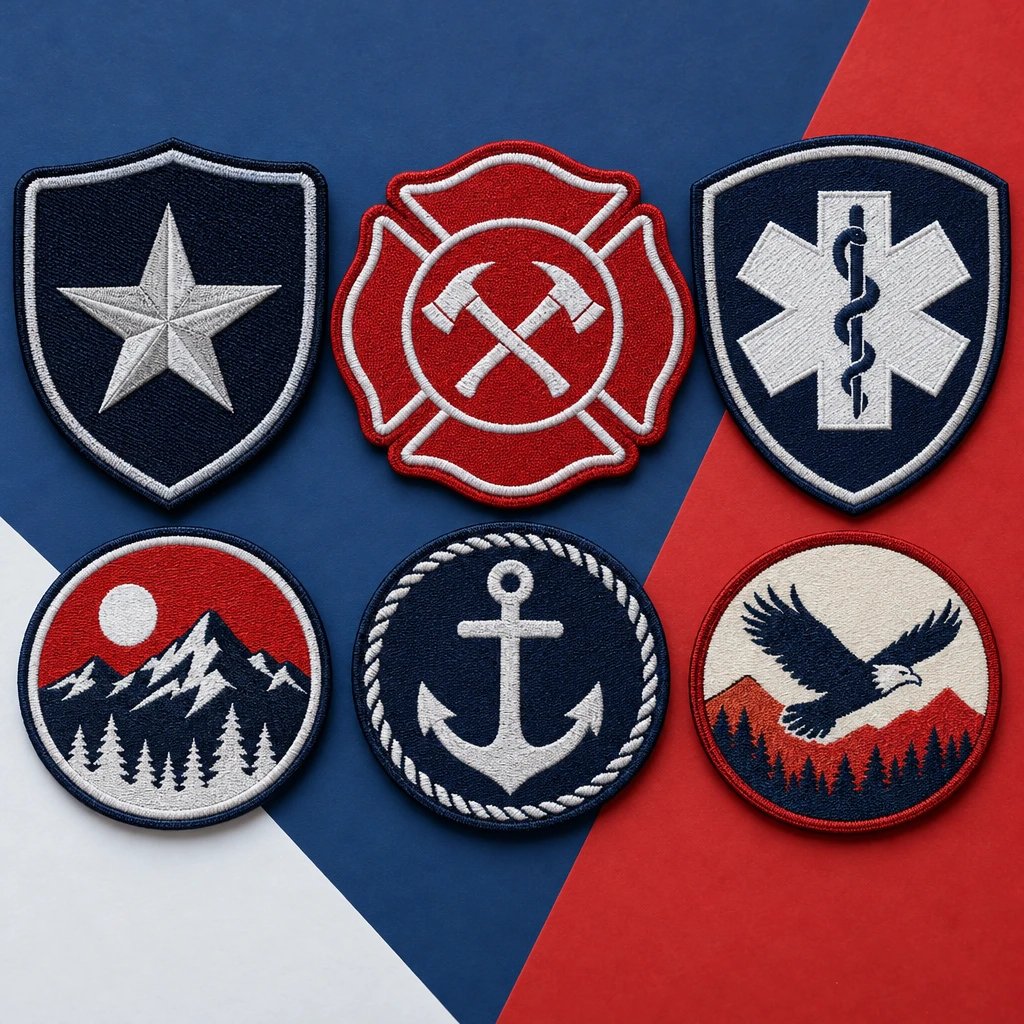
Fort Worth Police Fire and EMS Patches: Specs and Ordering Tips
Follow a hypothetical Fort Worth EMS uniform order from approved artwork to delivery, with practical decisions about thread, dimensions, sew-on backing, spare quantities, and deadlines.
Read article →
How to Choose Custom Patches for Beanies
Choose a beanie patch that fits the cuff, keeps your lettering readable, and attaches without distorting the knit. Follow the job from measuring the hat through mockup approval and shipping.
Read article →
Custom Patch Ideas for Veteran Groups
A veteran group patch can look right on a screen and still fail on a jacket. These eight mistakes show where lettering, symbolism, materials, backing, and ordering decisions go wrong, with practical fixes before production.
Read article →
Small Business Patches in Kansas City: Branding on a Budget
Start with the stitching, not the extras. A practical guide to controlling patch costs for Kansas City work shirts, aprons, caps, and jackets without losing a readable business logo.
Read article →
Best Backing for Scarves Patches
Sew-on is the safer default for scarf patches, but not every scarf needs the same construction. Compare attachment methods, fabric limitations, comfort, and the situations where a simpler patch is enough.
Read article →
Custom Patches for Hat and Cap Brands: Options Sizes and Ordering Tips
A production-desk checklist for choosing hat patch materials, measuring cap fronts, confirming attachment, and approving an order without leaving the important details to guesswork.
Read article →
Custom Patches in North Carolina: Local Guide to Ordering and Shipping
Get the garment fit, patch material, attachment, and delivery plan right before approving a North Carolina patch order. A practical guide for caps, work shirts, club jackets, and merchandise.
Read article →
How Festivals Can Order Custom Patches Without Mistakes
Eight festival patch mistakes that create unusable stock, rushed decisions, and attachment problems, with practical fixes for artwork, garment fit, quantities, and delivery.
Read article →
Small Business Patches in Memphis: Branding on a Budget
Patch budgets are easier to control when you separate necessary construction from decoration. Here is how Memphis businesses can compare stitching, size, borders, backing, and order quantities without sacrificing a readable logo.
Read article →
Low Minimum Custom Patches for Philadelphia Customers
Small patch runs still need artwork preparation and machine setup. Here’s how to compare quotes for Philadelphia clubs, teams, and businesses without paying for details your garment doesn’t need.
Read article →
Atlanta Police Fire and EMS Patches: Specs and Ordering Tips
Uniform patches need more than the right department name. Work through common assumptions about approved artwork, embroidery, lettering, backing, protective garments and delivery before placing an Atlanta police, fire or EMS order.
Read article →
What Is the Cheapest Way to Make Custom Patches?
A lower patch quote usually starts with simpler artwork, a readable size, and the right attachment method. Here is where to save and where cutting corners creates more work.
Read article →
Custom Patches in Miami: Pricing, Turnaround and How to Order
Build a patch order around the garment, not just the logo. Compare materials, choose a backing, read the quote, and separate production time from delivery to Miami.
Read article →
How Bands and Musicians Can Order Custom Patches Without Mistakes
A patch can look right on a screen and still fail on a cap, disappear into a denim jacket, or arrive after the show. These nine mistakes explain what goes wrong and what to fix before approval.
Read article →
Rush Custom Patches for Dallas Deadlines: What Is Possible
A Dallas event date is only part of a rush patch schedule. Find out what artwork, materials, approvals, shipping, and garment application need to be settled before you commit.
Read article →
Why Is My woven Patch Fading? Causes and Fixes
A pale patch isn't always a faded patch. Check sunlight exposure, wash products, surface wear, and backing condition before deciding whether to clean it or replace it.
Read article →
Bulk Custom Patches for Youth Sports Leagues: Pricing and Timelines
Stitch workload, quantity per design, and the attachment method can change a league patch quote substantially. Here is how to compare specifications, avoid unnecessary extras, and work backward from uniform handout day.
Read article →
How Construction Crews Can Order Custom Patches Without Mistakes
Avoid patch orders that look fine on a screen but fail on work shirts, jackets, and caps. Start with the garment, then check artwork, attachment, quantities, and the approval record.
Read article →
Is Ordering Custom Patches Online Safe for Detroit Customers?
A clean mockup is only part of a safe patch order. These production notes explain how Detroit buyers can check the supplier, approve usable artwork, choose an attachment method, and keep shipping expectations realistic.
Read article →
Low Minimum Custom Patches for Seattle Customers
A small patch order still needs artwork preparation, setup, and finishing. Here’s how Seattle teams, brands, and clubs can control those costs without choosing a patch that fails on the garment.
Read article →
What Sacramento Buyers Should Know Before Ordering embroidered Patches
Measure the garment first, then settle the thread detail, backing, border, and approval specs. A practical ordering walkthrough for Sacramento caps, jackets, work shirts, and club runs.
Read article →
Custom Patches for Veteran Groups: Options Sizes and Ordering Tips
A pre-order checklist for veteran organizations choosing patch materials, garment placement, readable lettering, backing, and an approval process that keeps chapter orders consistent.
Read article →
Iron-On vs Adhesive Patch Backing: Pros Cons and Best Uses
Start with the garment and how long the patch must stay attached. Then compare heat-activated and peel-and-stick backing, check the fabric, approve the patch specifications, and test the attachment before committing a whole run.
Read article →
How Fast Can You Get Custom Patches in Omaha?
For an Omaha deadline, approval speed and shipping matter as much as the patch material. Compare embroidered and printed patches, find the avoidable delays, and build a schedule around the date you actually need the garments ready.
Read article →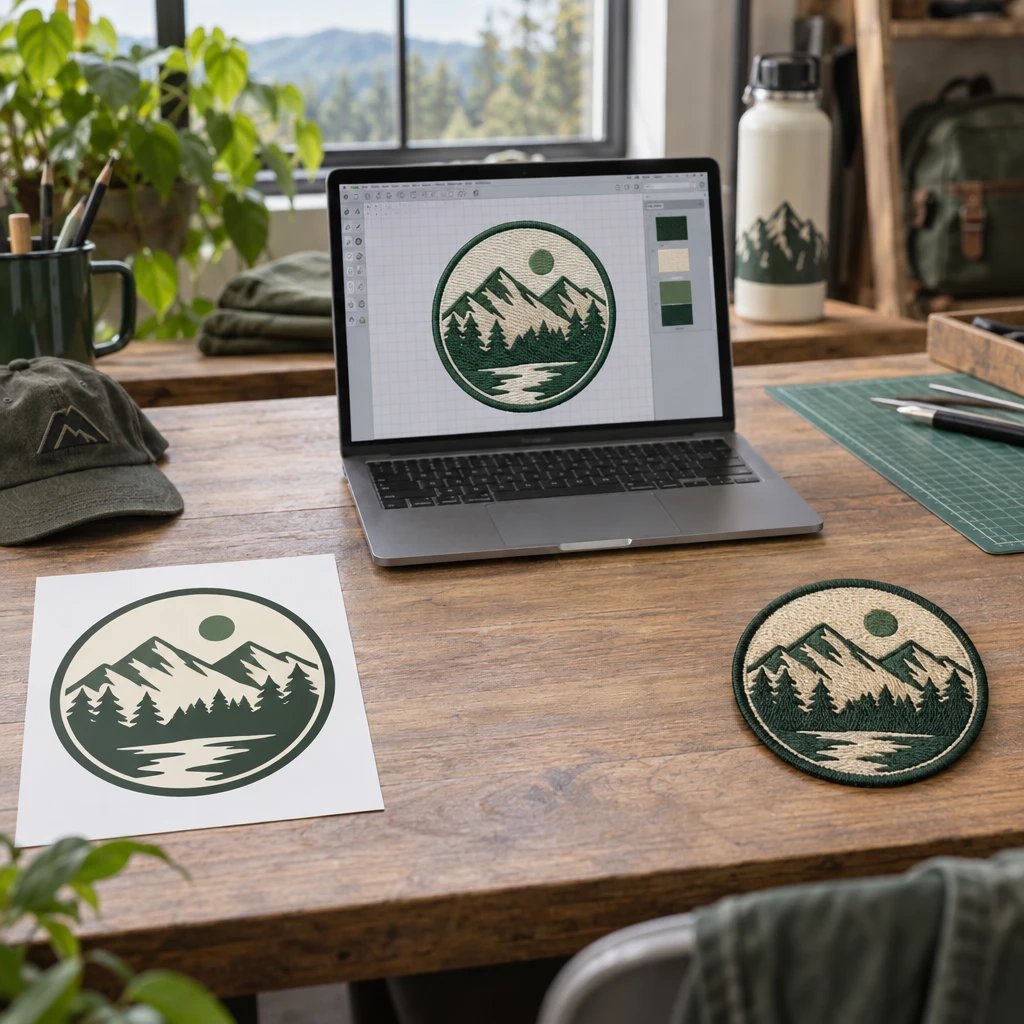
How Online Brands and Streetwear Can Order Custom Patches Without Mistakes
Eight patch-order mistakes that can hold up a clothing drop, from incompatible backing and crowded lettering to missing attachment time, with practical fixes for each.
Read article →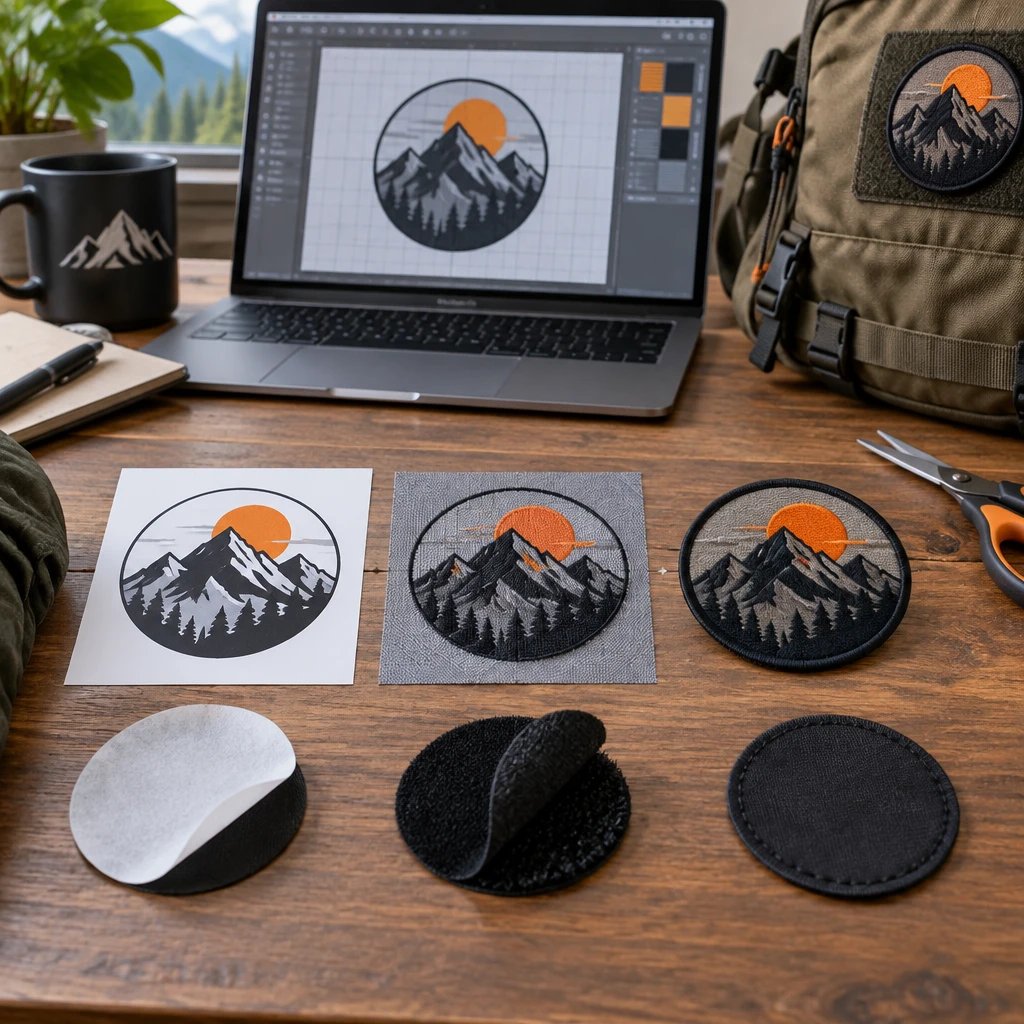
Iron-On vs Velcro Patch Backing: Pros Cons and Best Uses
Start with the garment, not the adhesive. Use this walkthrough to choose a fixed or removable patch, specify both sides of hook-and-loop, review your mockup, and plan installation without guessing at heat settings.
Read article →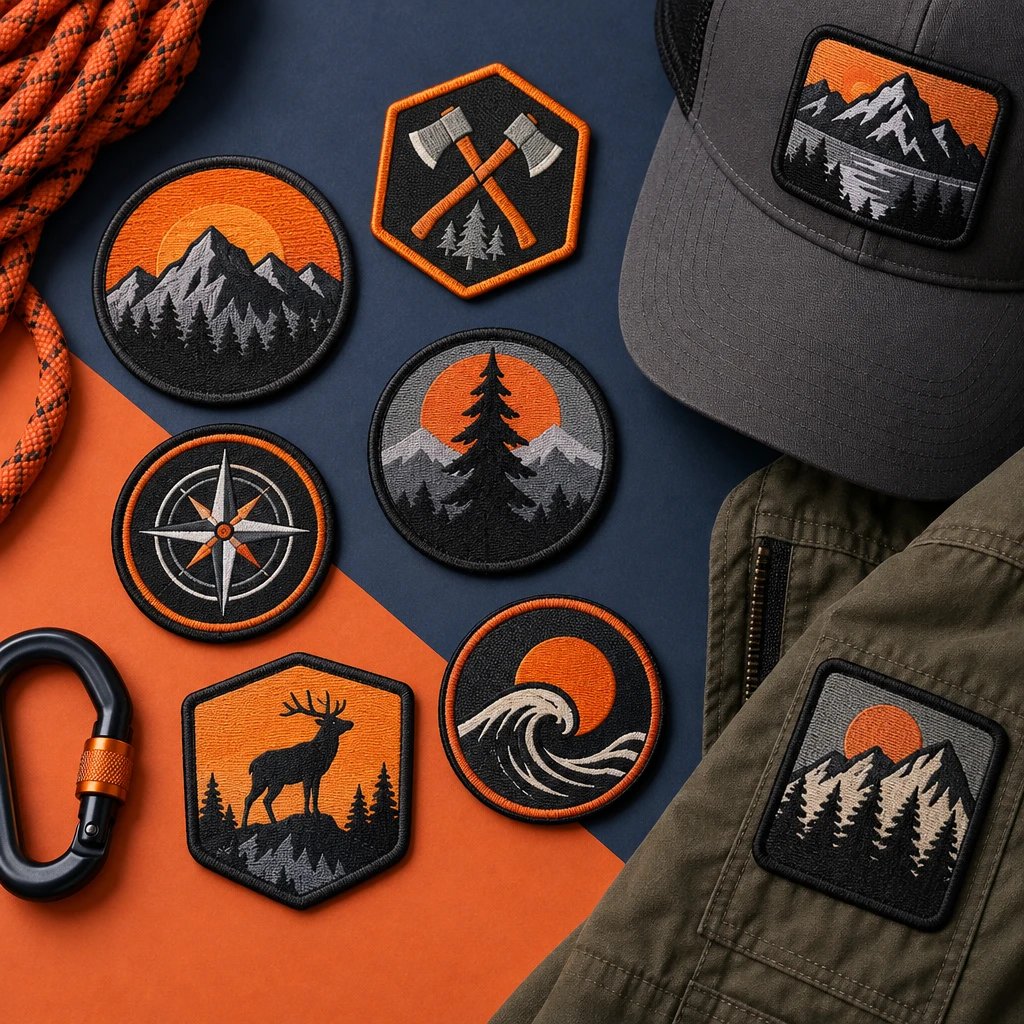
Woven vs PVC Patches on Hats and Jackets
Woven is usually the practical choice for fine lettering and soft caps. PVC earns its place on bold outdoor designs, but thickness, attachment, and garment construction can change the decision.
Read article →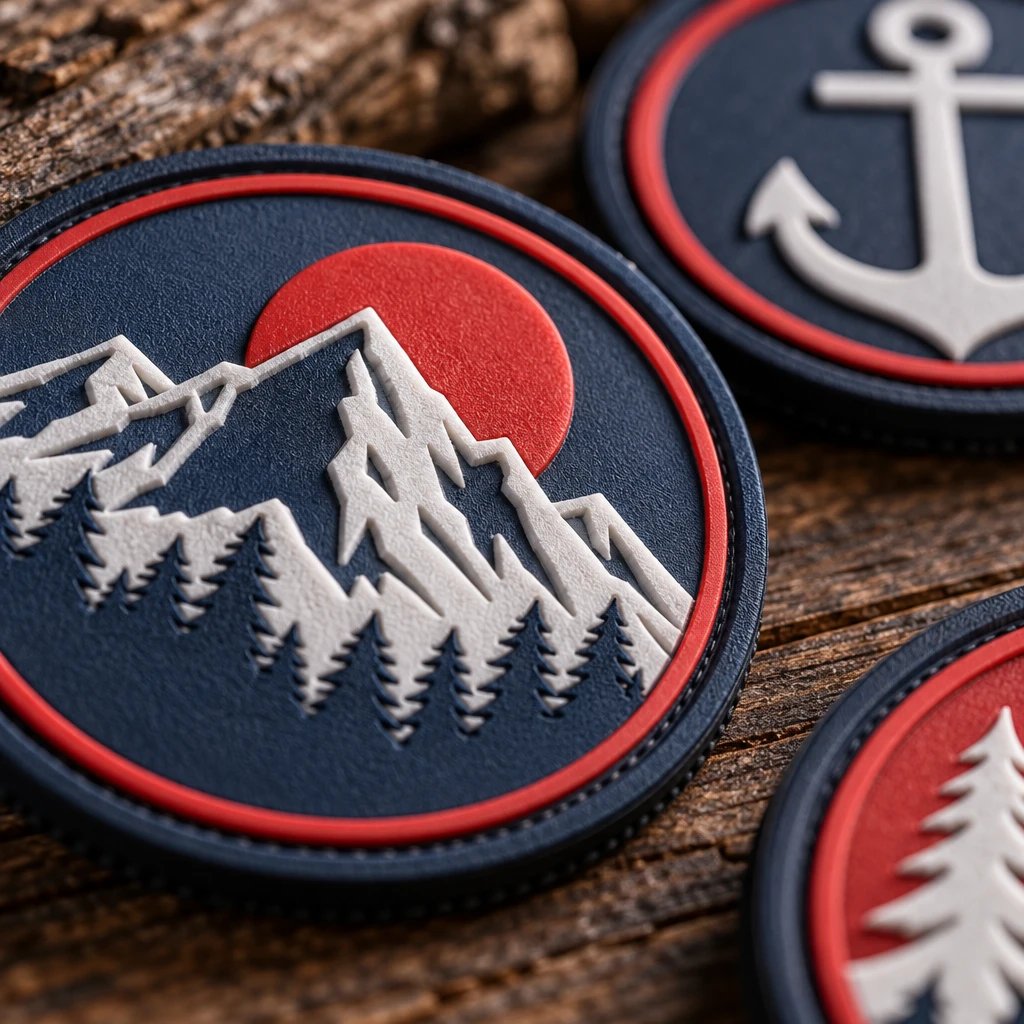
3D Embroidered vs PVC Patches: Which Fits Your Project?
Raised thread belongs on some projects. Molded PVC belongs on others. Compare the artwork limits, cleaning needs, attachment methods, and setup costs before paying for dimension you may not need.
Read article →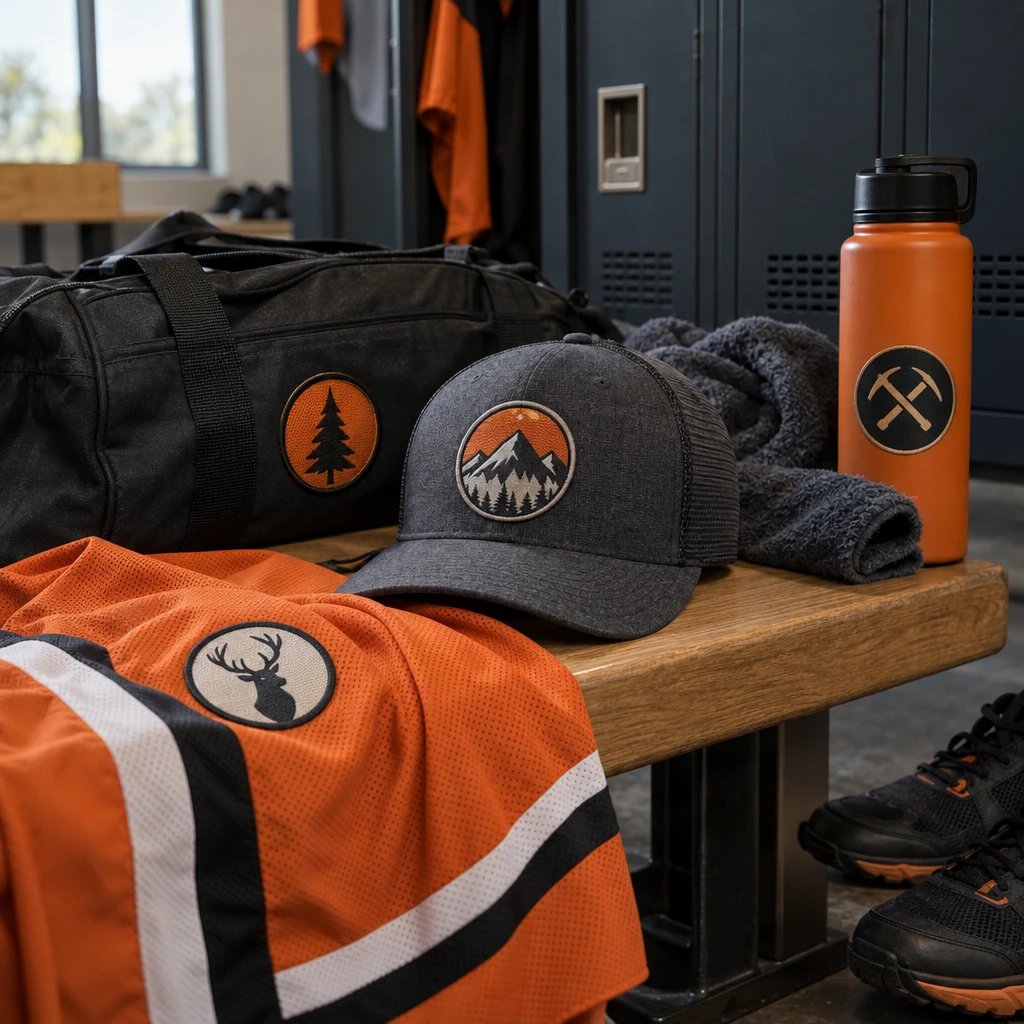
Custom Patch Ideas for Hat and Cap Brands
Follow a hypothetical 48-patch launch for a small cap brand, from simplifying the logo to choosing sew-on backing and leaving time for attachment before a pop-up.
Read article →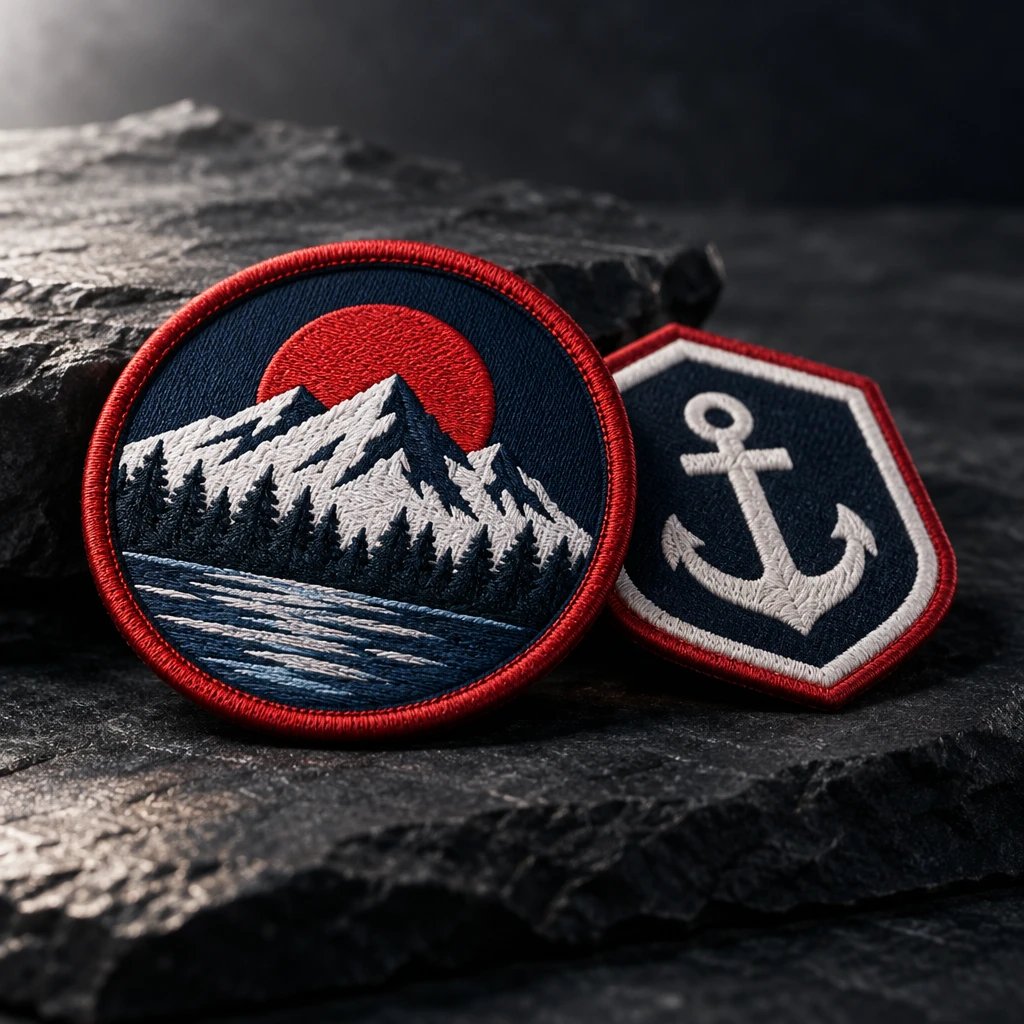
Woven vs Leather Patches: Detail Level Colors and Texture
Woven handles small lettering and separate thread colors. Leather gives a bold mark more physical presence. Here’s how to compare artwork, surface texture, garment care, attachment, and the cost of each option.
Read article →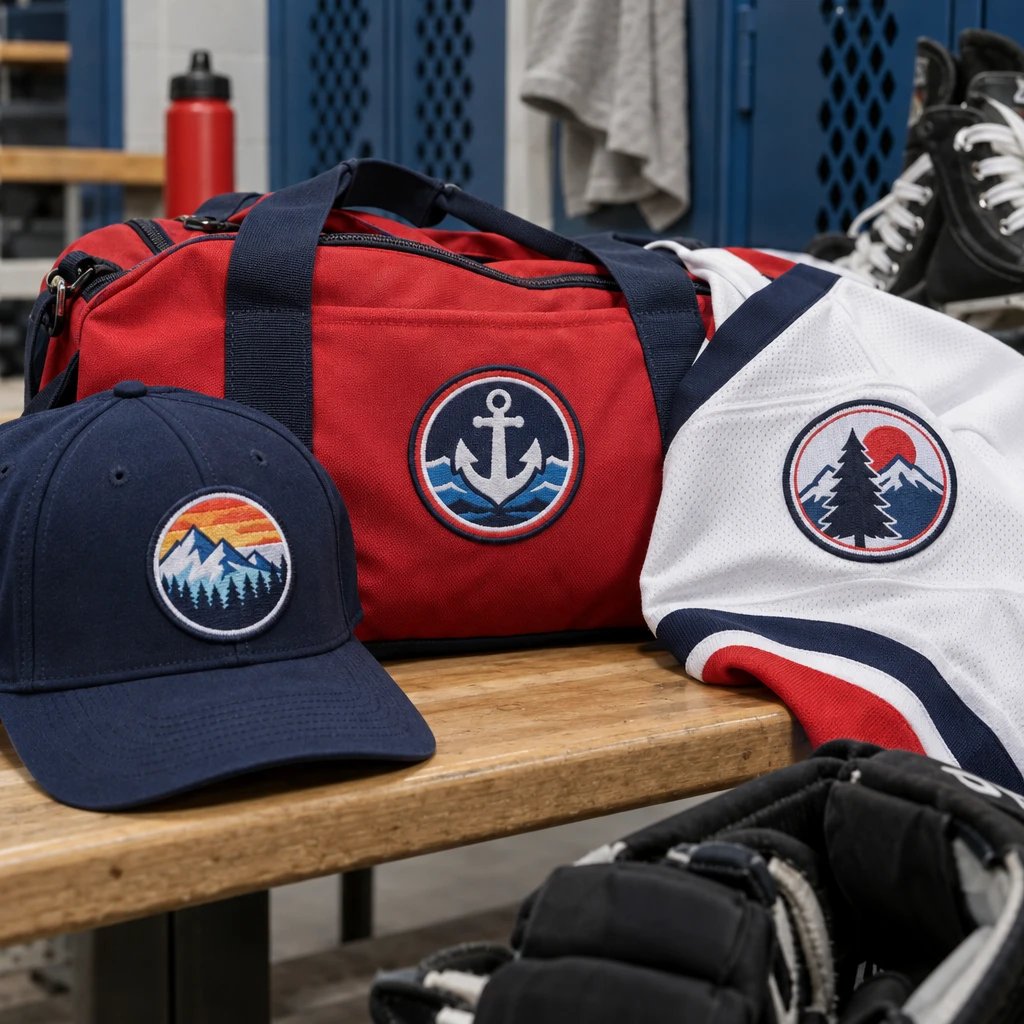
Can You Put Small Text on printed Patches?
Follow a hypothetical 40-patch run club order from crowded artwork to an approved production layout. See where printing helps small lettering, where it doesn't, and why the garment matters.
Read article →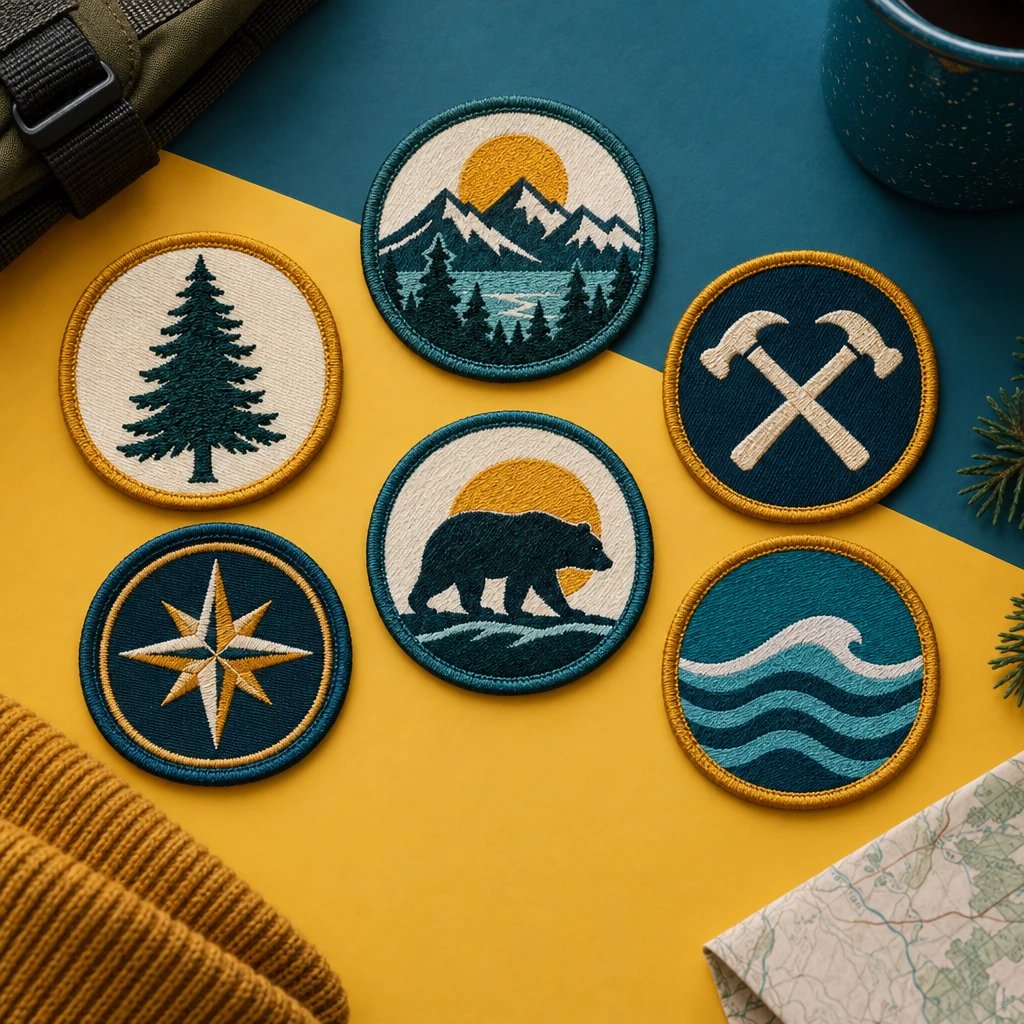
Custom Patches for Charlotte Businesses and Teams: A Local Buyer's Guide
A garment-first ordering walkthrough for Charlotte staff uniforms, team apparel, and merchandise, covering patch size, material, backing, artwork approval, and delivery.
Read article →
Ordering Patches Online From Seattle: Proofs, Shipping and Support
Follow a hypothetical Seattle run club through artwork, material, size, backing, quantity and delivery decisions for a 48-patch order, with a practical proof checklist.
Read article →
Best Backing for Denim Patches
Sew-on is the practical default for working denim. Compare it with iron-on, peel-and-stick, and hook-and-loop backing, including the cases where a simpler patch is enough.
Read article →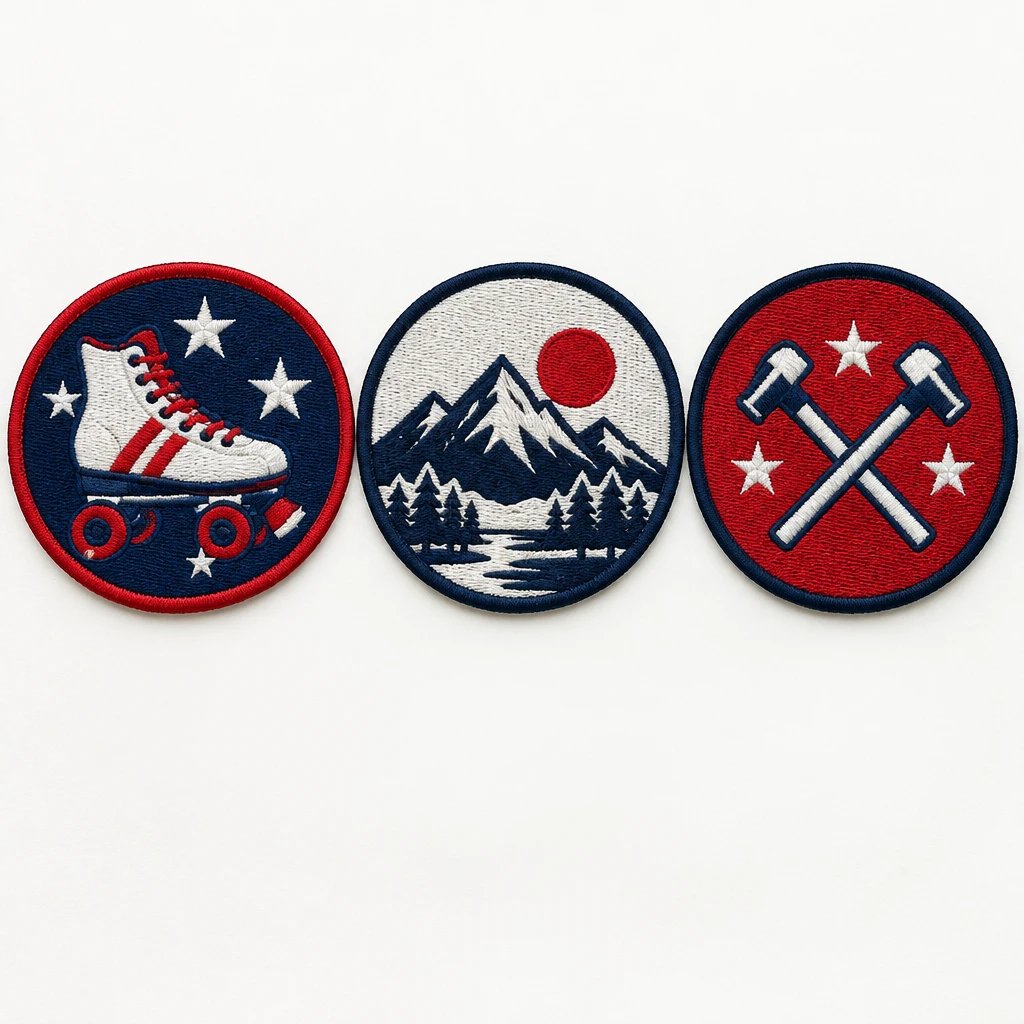
Custom Patch Ideas for Roller Derby and Rec Leagues
A practical cost guide for derby jacket crests, rec league cap patches, volunteer badges, and season awards. See which design choices deserve the budget and which ones can stay simple.
Read article →
Custom Patches for Fire Departments: Options Sizes and Ordering Tips
Choose department patch sizes, materials, borders, and backings around the actual uniform, then build an order that is easier to approve and repeat.
Read article →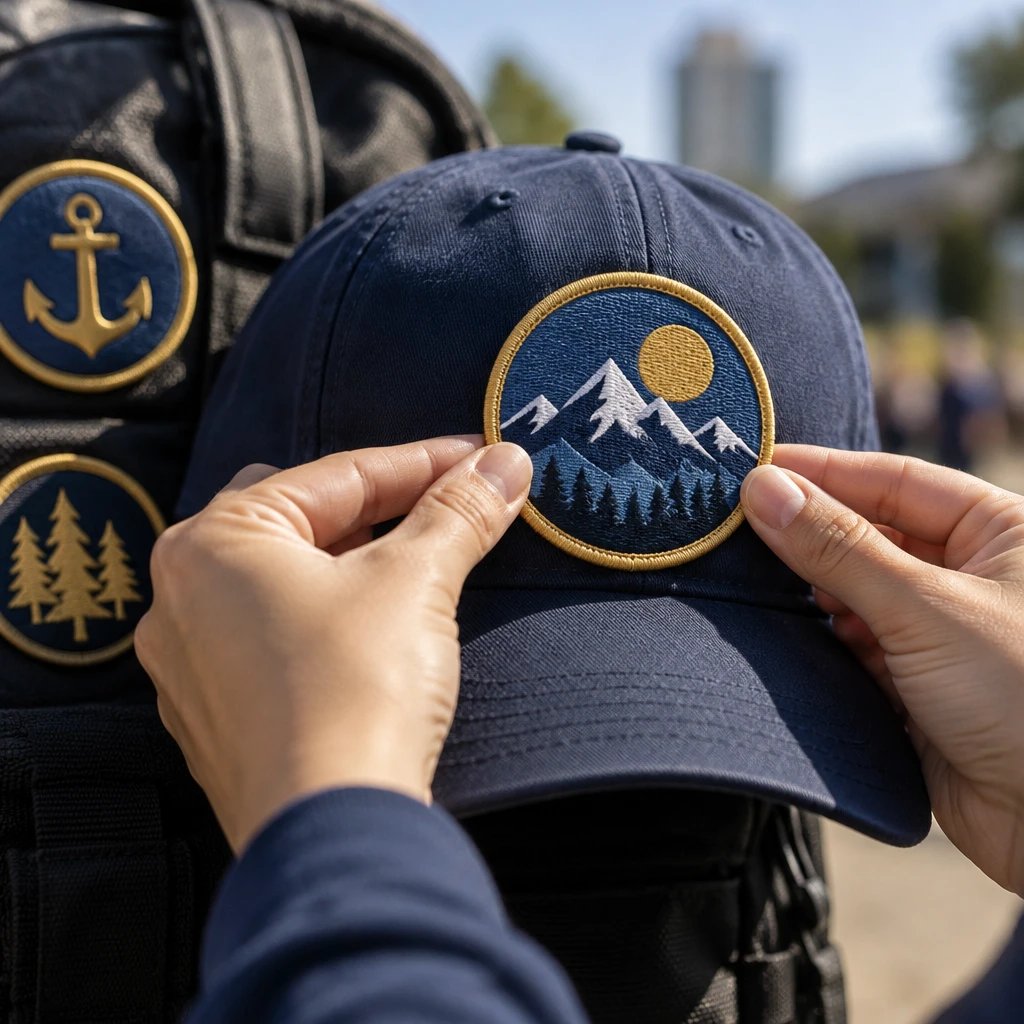
Indianapolis School and Club Patches: A Parent and Organizer Guide
Start with the jacket, backpack, or cap, not the mascot file. This walkthrough explains how to set patch specifications, compare backings, manage school approvals, and plan an Indianapolis delivery without leaving installation to chance.
Read article →
Custom Patches for Tampa Businesses and Teams: A Local Buyer's Guide
Start with the actual cap, shirt, or team bag, then work through patch size, material, backing, artwork, approval, and shipping without leaving attachment decisions until the end.
Read article →
Custom Patches for Trade Shows: Planning Quantities and Deadlines
A packed exhibit hall doesn't tell you how many patches to order. Separate giveaway demand from staff needs, choose a patch people can actually use, and schedule backward from the receiving cutoff.
Read article →
Embroidered or Leather Patches for Uniforms: Durability Compared
For uniforms that spend as much time in the laundry as on the job, embroidery is usually the practical choice. Leather makes sense on the right jacket, apron, or cap, but its care requirements belong in the buying decision.
Read article →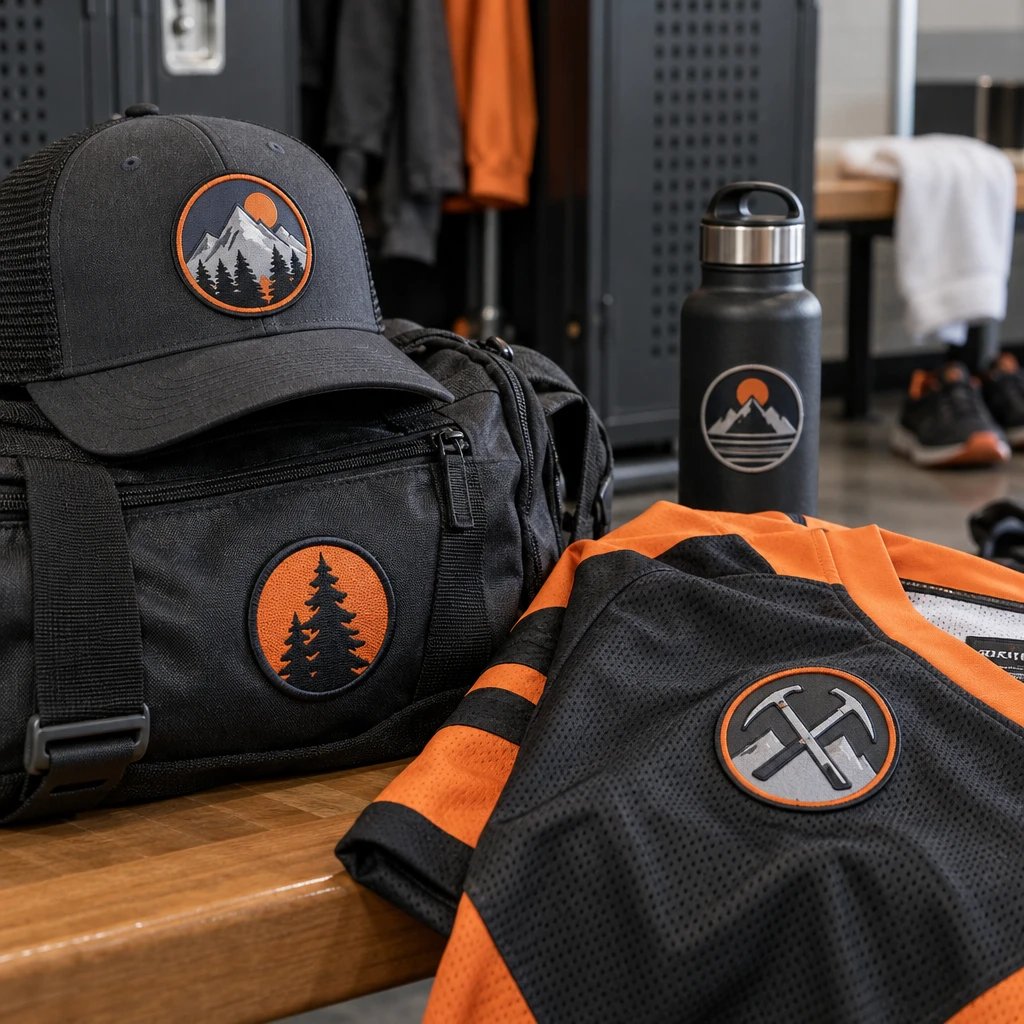
Woven or Leather Patches for Uniforms: Durability Compared
For uniforms that go through regular washing, woven usually wins. Leather makes sense on selected jackets, aprons, and caps, provided its finish, attachment, and care requirements fit the job.
Read article →
Woven vs Leather Patches: Which Fits Your Project?
Woven is usually the practical choice for readable detail and flexible placement. Leather makes sense when a simple mark and the material itself do the work. Here is how to judge both against your actual garment.
Read article →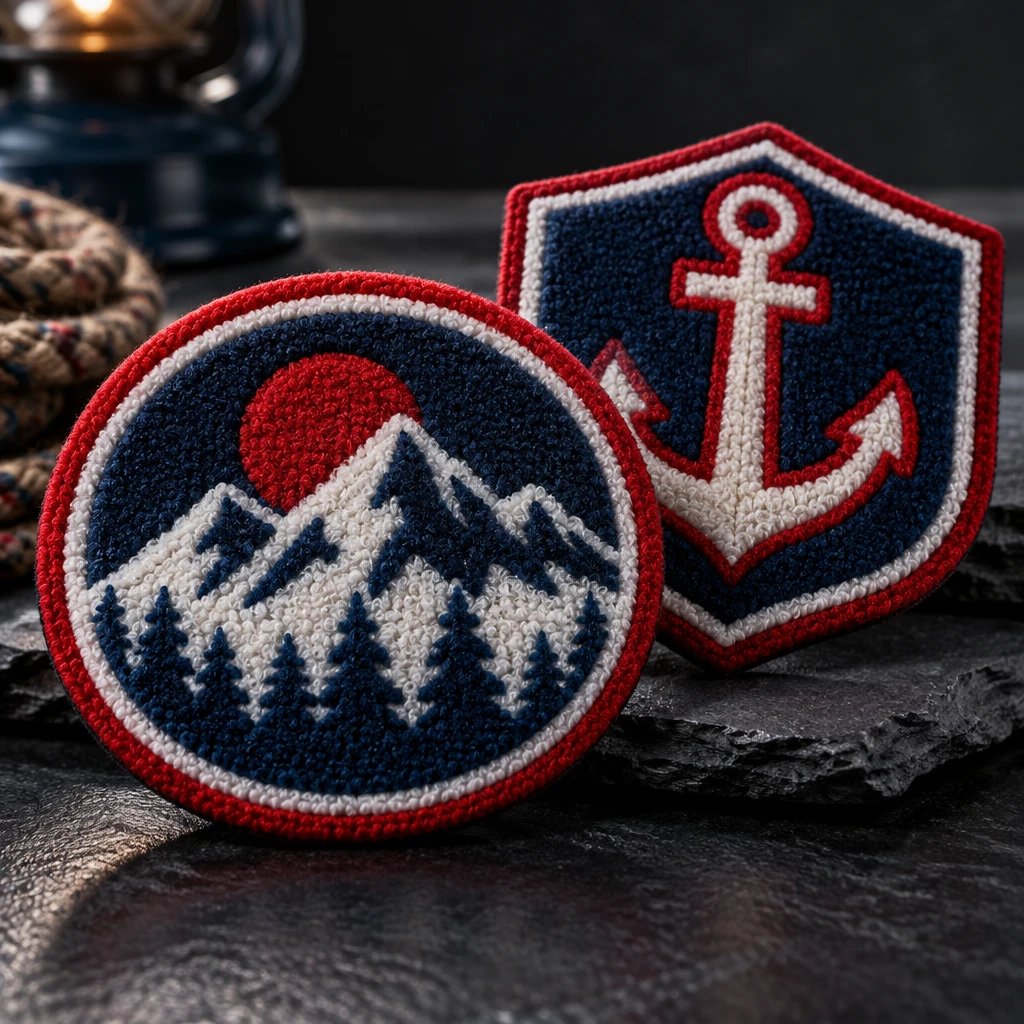
Can You Put Small Text on chenille Patches?
Keep the chenille big and the fine print flat. Small names and dates can share a patch with chenille, but they need their own space rather than a spot buried in the pile.
Read article →
How Churches and Nonprofits Can Order Custom Patches Without Mistakes
Nine ordering mistakes that turn a useful church or nonprofit patch into unreadable lettering, awkward placement, or an attachment problem, with practical fixes before approval.
Read article →
How Much Do Custom printed Patches Cost?
Size is the first specification to settle on a printed patch quote. Then compare borders, backing, artwork, quantity, and deadlines without paying for features the garment doesn't need.
Read article →
leather Patches for Albuquerque Brands: When They Make Sense
Leather works well for a simple mark on a structured cap or canvas bag. Start with the garment, then settle material, contrast, stitching, and approval details before committing your Albuquerque brand’s patch order.
Read article →
Best Backing for Uniform Sleeves Patches
Sew-on is the practical default for permanent uniform sleeves. Compare it with iron-on, hook-and-loop, and temporary adhesive by laundry demands, garment construction, installation cost, and replacement needs.
Read article →
Best Patch Type for Bands and Musicians: What to Choose and Why
Embroidery is the sensible starting point for band merchandise, but it isn't right for every logo. Compare woven, printed, and PVC patches by artwork, wear, backing, and actual order requirements.
Read article →
Bulk Custom Patches for Fire Departments: Pricing and Timelines
A practical look at fire department patch pricing: what stitch count changes, when backing is worth paying for, and how to keep approval delays out of the delivery schedule.
Read article →
Bulk Custom Patches for Real Estate Teams: Pricing and Timelines
A practical look at what changes a real estate patch quote, where simpler specifications save money, and how to schedule approval, production, and garment application.
Read article →
Common Size Mistakes With Labels Patches
A label can match the artwork and still be the wrong size for the garment. These eight mistakes explain where usable space disappears and what to check before approval.
Read article →
Custom Patch Ideas for Churches and Nonprofits
Build a church or nonprofit patch order around the garment, not just the logo. Work through message, size, material, attachment, approval, and distribution without turning a small emblem into a crowded flyer.
Read article →
Best Custom Patch Types for Teams and Businesses in Texas
Embroidery is the practical starting point for most Texas team and business patches, but it isn't always the best buy. Compare seven materials, choose a backing that suits the garment, and keep small lettering from becoming an expensive mistake.
Read article →
Custom Patch Ideas for Hunting and Fishing Clubs
A hunting or fishing club patch gets expensive when the artwork, size, and attachment method ask for more than the garment needs. Here’s how to choose a useful design and understand what moves the quote.
Read article →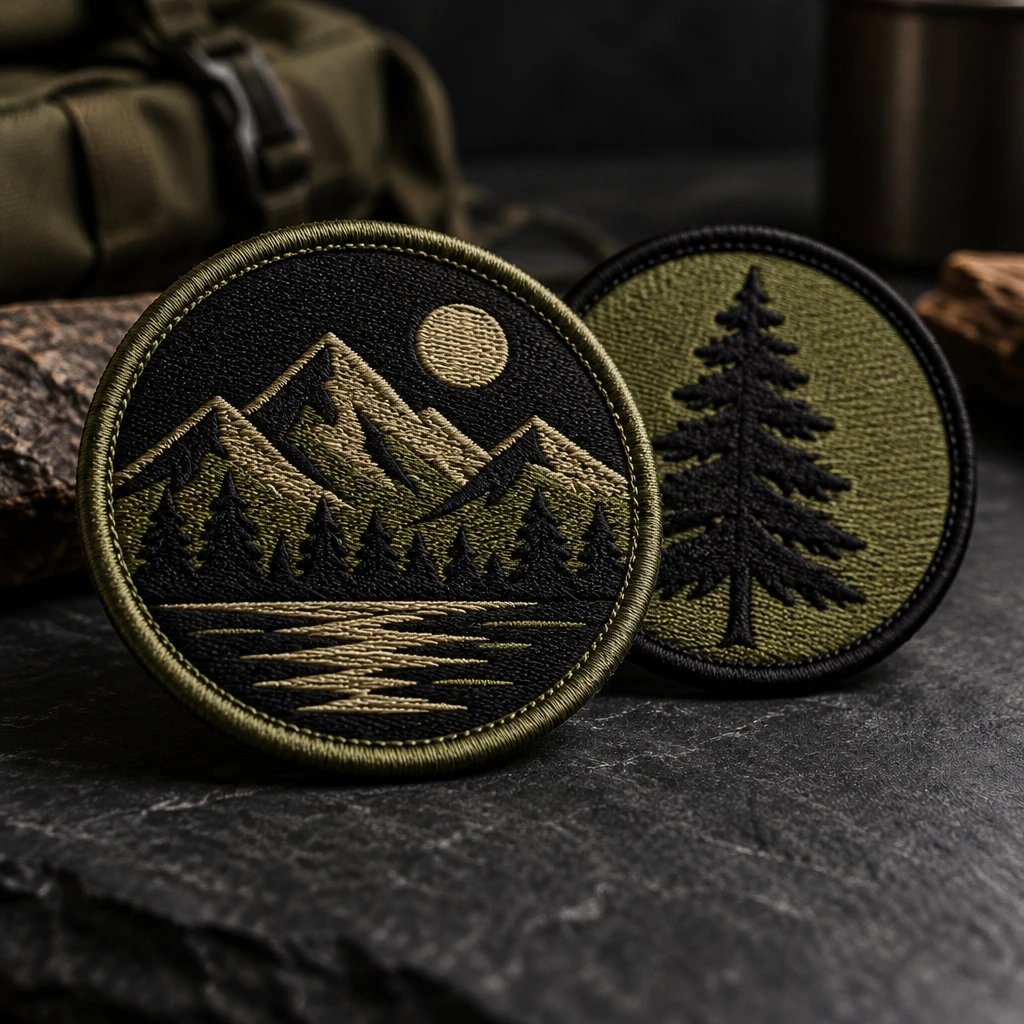
Custom Patches in Georgia: Local Guide to Ordering and Shipping
Start with the garment, not the logo file. This Georgia ordering walkthrough covers patch dimensions, materials, backing, proof approval, costs, and shipping from Corona, California.
Read article →
How High School Teams Can Order Custom Patches Without Mistakes
A patch can be made correctly and still be wrong for the team. Avoid eight ordering mistakes involving school artwork, jacket fit, lettering, attachment, quantities, and delivery.
Read article →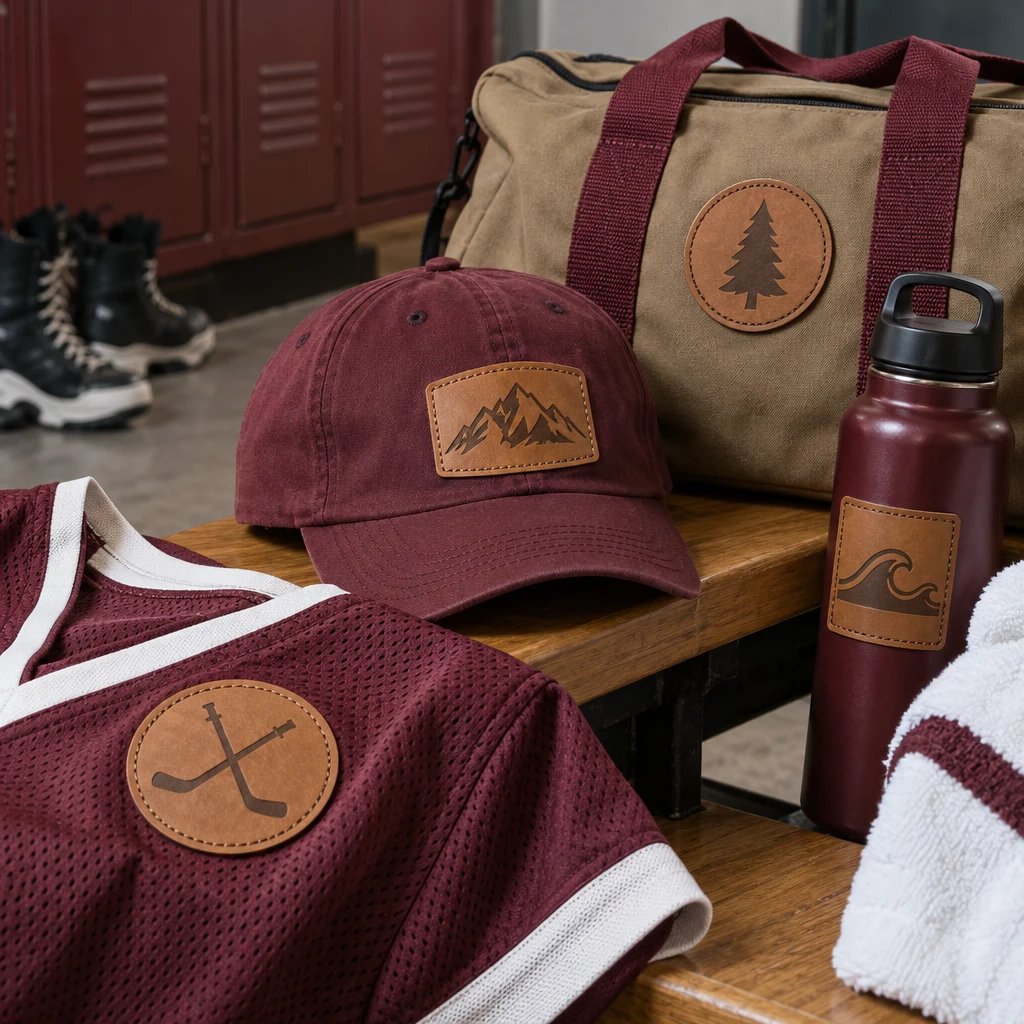
How Many Colors Can a leather Patch Have?
The leather supplies one color before any artwork goes on it. From there, engraving, printing, edge treatment, and attachment stitching determine how much color a patch can carry without losing the logo.
Read article →
Woven vs Printed Patches for Small Orders: Cost and Quality
Woven is the practical choice for flat-color logos with a fabric finish. Printed makes more sense for gradients and photographs. Here is how to compare small-order quotes without missing backing, border, or attachment costs.
Read article →
Best Custom Patch Types for Teams and Businesses in Oklahoma
Embroidery is the sensible starting point for most Oklahoma team and business orders, but not every logo belongs in thread. Compare the practical trade-offs for caps, work shirts, varsity jackets, and outdoor gear.
Read article →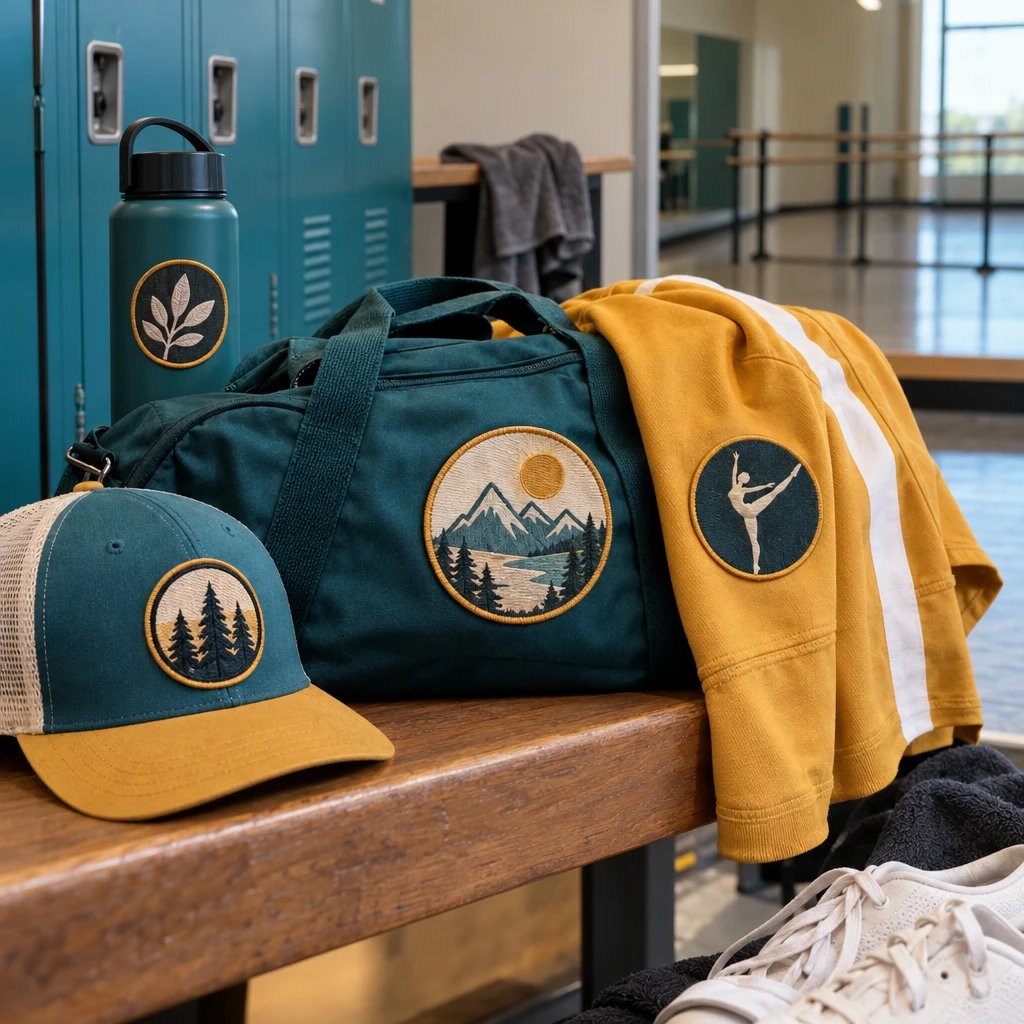
Best Patch Type for Dance Studios: What to Choose and Why
Embroidery is the sensible starting point for dance studio jackets and bags, but small lettering, gradient artwork, varsity styling, and stretch costumes can change the answer.
Read article →
Boston School and Club Patches: A Parent and Organizer Guide
Start with the jacket, cap, or bag, not the logo file. Follow the decisions that turn a Boston school or club patch idea into a clear, approved production order.
Read article →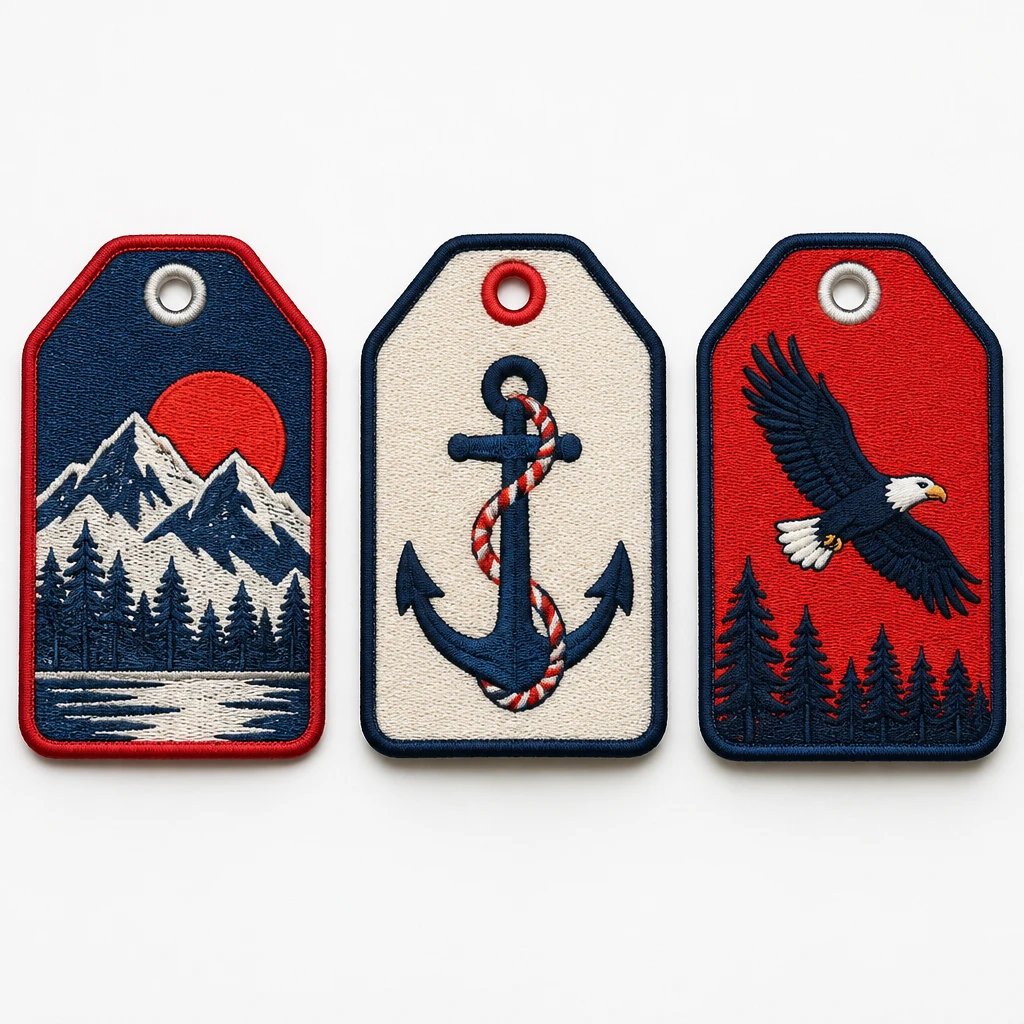
Common Size Mistakes With Luggage Tags Patches
A patch can match the approved dimensions and still be wrong for the luggage. Check the usable surface, border allowance, lettering, and attachment method before a full run makes a small sizing error expensive.
Read article →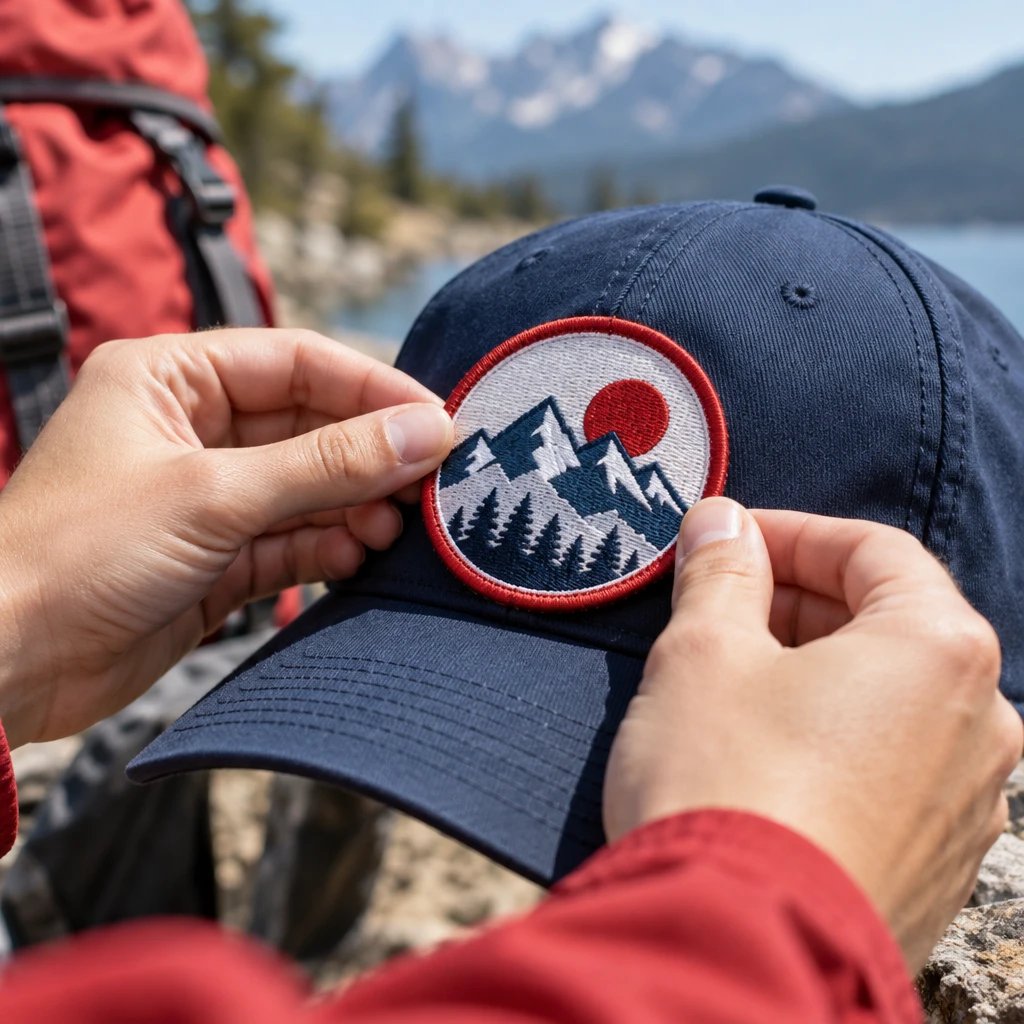
Do Patches Work on Stretchy Fabric?
A patch can work on a stretch hoodie and fail on compression leggings. Here is how sew-on and iron-on attachment compare, which garment zones behave best, and when skipping the patch is the better decision.
Read article →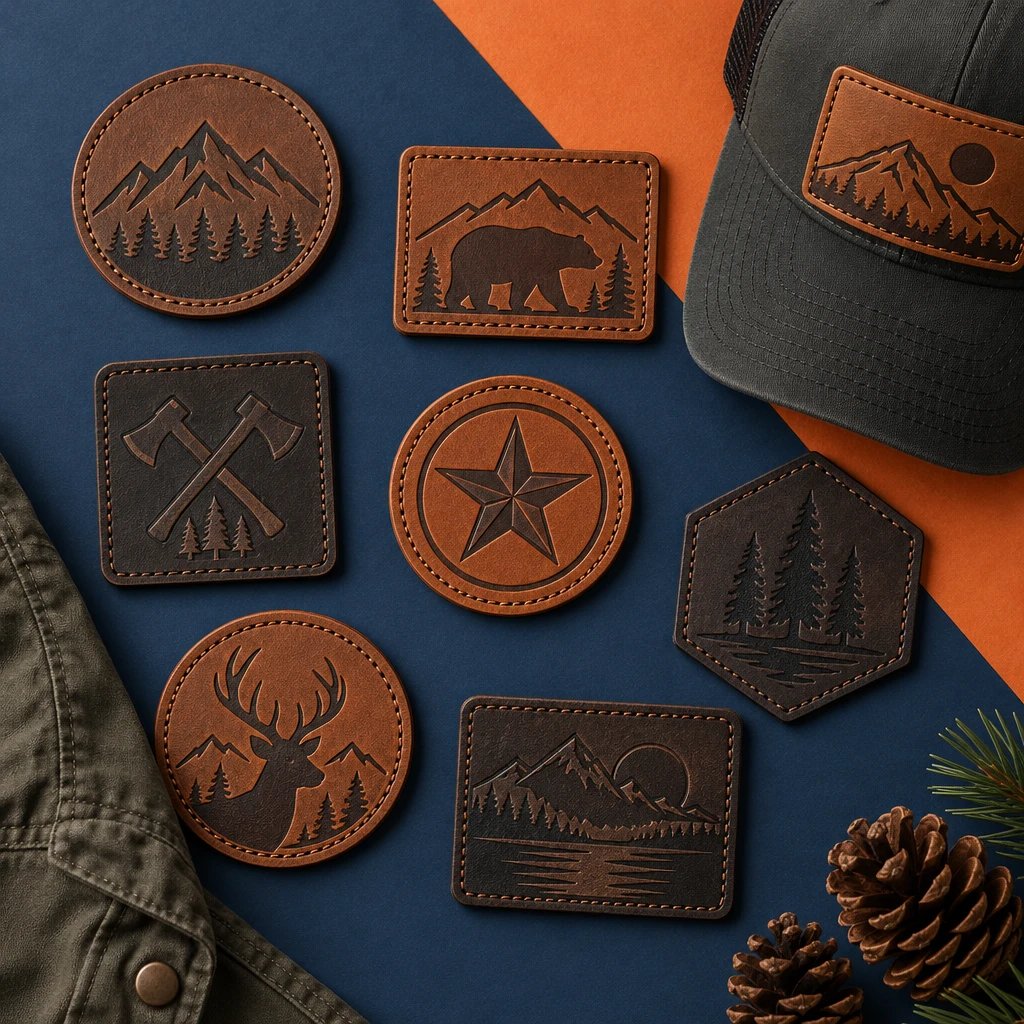
Embroidered vs Leather Patches on Hats and Jackets
Embroidery is the practical default for colorful team marks and regularly washed workwear. Leather earns its place on structured caps and heavier jackets when the design is simple and the care requirements fit.
Read article →
How to Fix a Patch That Is Peeling
Start with the backing, not a hotter iron. Use this repair sequence to decide when to re-press, when to sew, and when a peeling patch needs replacement.
Read article →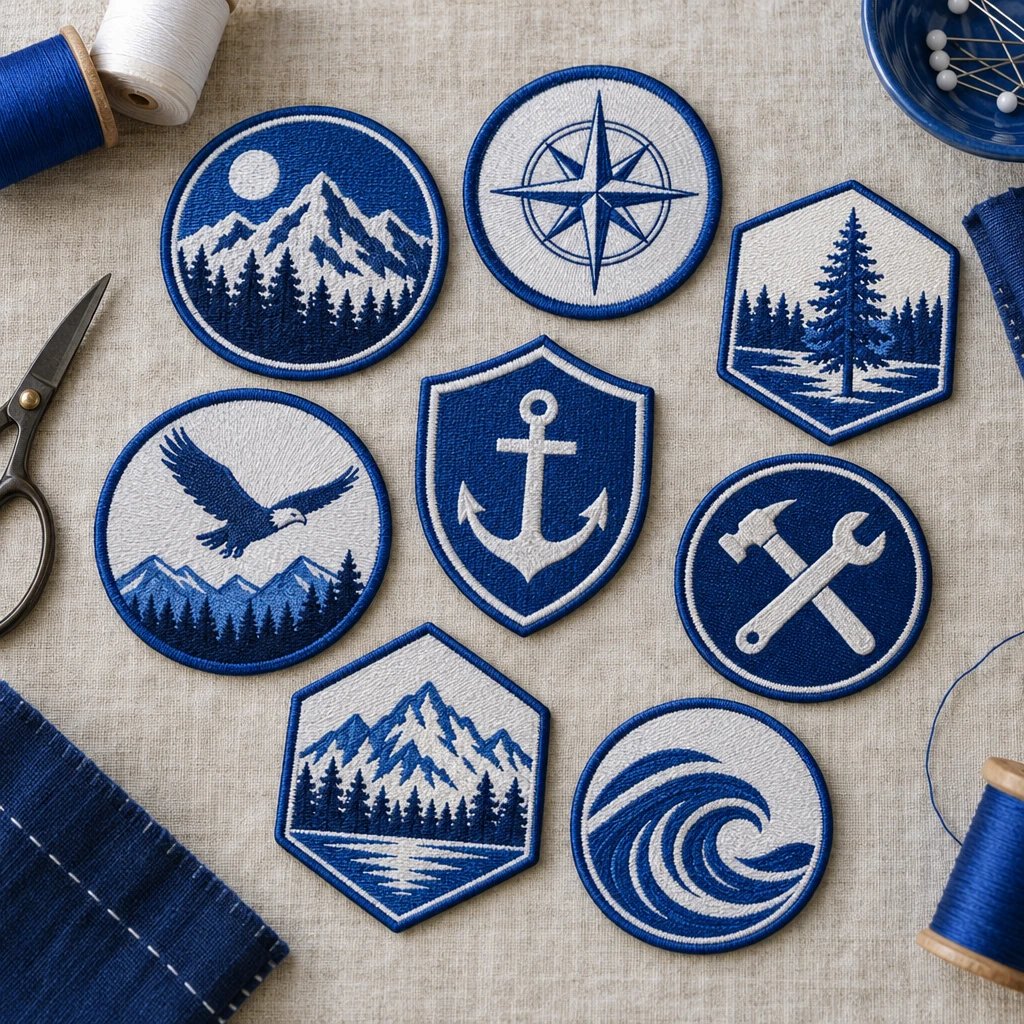
Louisville Custom Patch FAQ: Minimums, Artwork Files and Shipping
Practical answers for Louisville patch buyers: what to send, what to approve, how to choose construction, and how to plan delivery without confusing a mockup with a finished sample.
Read article →
Best Patch Type for EMS Crews: What to Choose and Why
Embroidery is the sensible default for EMS uniform shirts, but not for every design or garment. Compare woven, PVC, and printed patches by readability, attachment, care, and what actually drives the quote.
Read article →
Chenille vs PVC Patches: Detail Level Colors and Texture
Chenille wins on soft varsity texture. PVC wins on defined shapes and wipe-clean practicality. Here’s where detail gets lost, what drives the quote, and when ordinary embroidery is enough.
Read article →
Embroidered vs Woven Patches on Hats and Jackets
Woven wins when a hat logo needs fine lines or small lettering. Embroidery earns its place when bold shapes and raised thread are part of the design. Here is how to choose around the actual hat or jacket, not just the artwork on a screen.
Read article →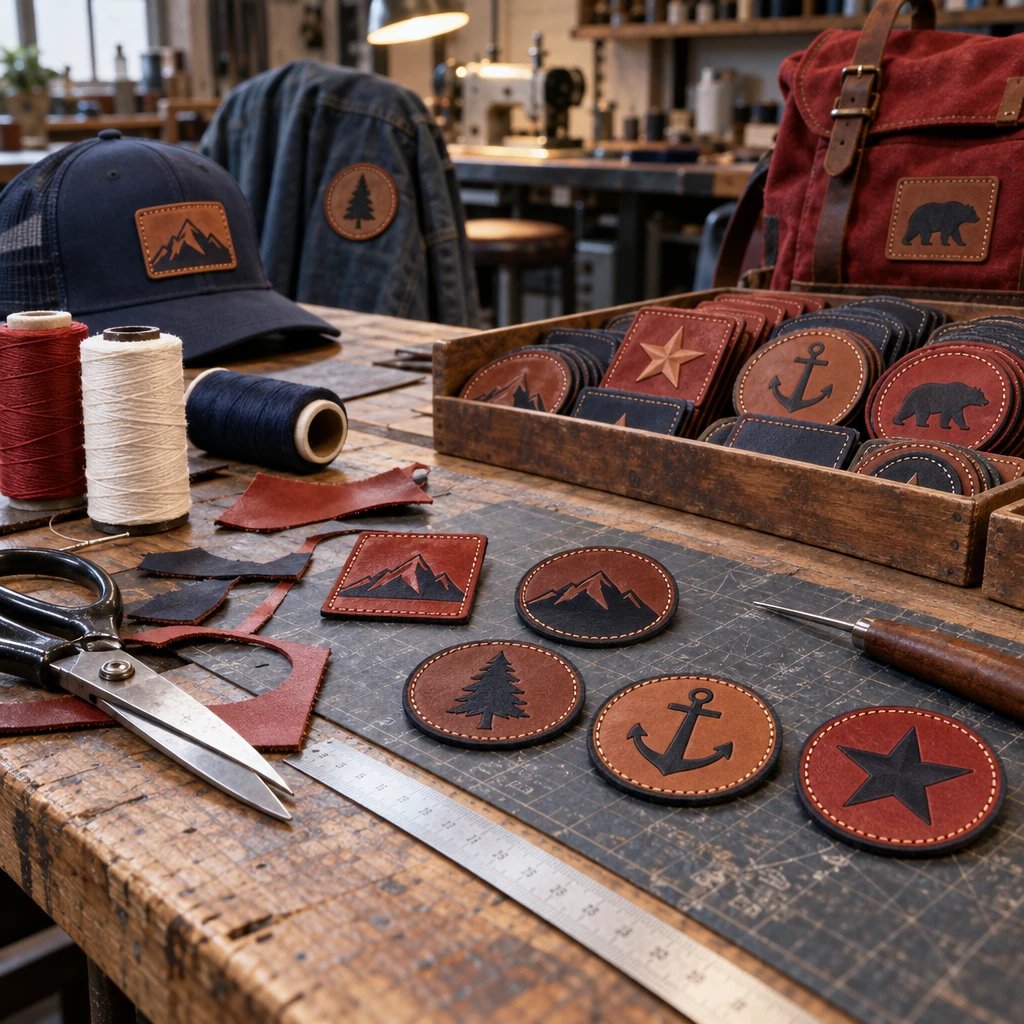
How to Attach leather Patches to Jackets Hats and Bags
Start with the garment, not the glue. Match leather patch backing, placement, sewing access, and application equipment before you commit a jacket, cap, or bag to the production run.
Read article →
Magnetic vs Heat Seal Patch Backing: Pros Cons and Best Uses
Magnetic mounting makes sense for temporary identification on suitable shirts and jackets. Heat seal is usually the simpler choice for a patch that stays put, but fabric compatibility and application equipment decide whether it will hold.
Read article →
What Are leather Patches Made Of?
A leather-looking surface does not tell you what is underneath. These production notes explain hide, coated synthetics, bonded leather, and the small material decisions that change a finished patch.
Read article →
Custom Patches for Rodeos and County Fairs: Planning Quantities and Deadlines
A practical myth-by-myth guide to counting fair and rodeo patches, protecting approval time, and choosing materials that suit crew caps, exhibitor jackets, and souvenir sales.
Read article →
Patch Ideas for Merch That Actually Sells
A patch needs a reason to exist beyond filling a merch table. Start with an identity people recognize, match the construction to the garment, and test one design before buying a collection.
Read article →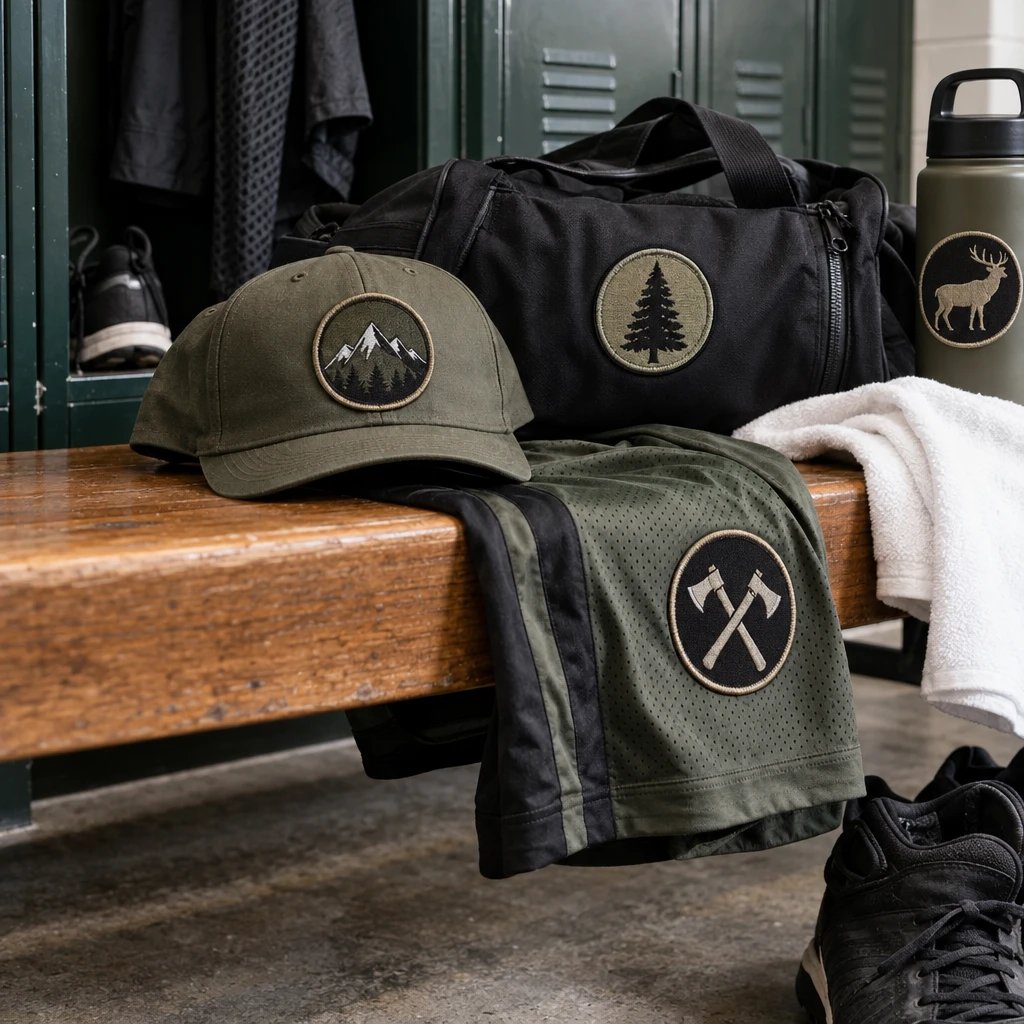
Are embroidered Patches Worth It for Small Orders?
Small embroidered patch runs can be worth the setup, but not every logo or garment is a good fit. Here is where quantity, lettering, backing, and attachment change the decision.
Read article →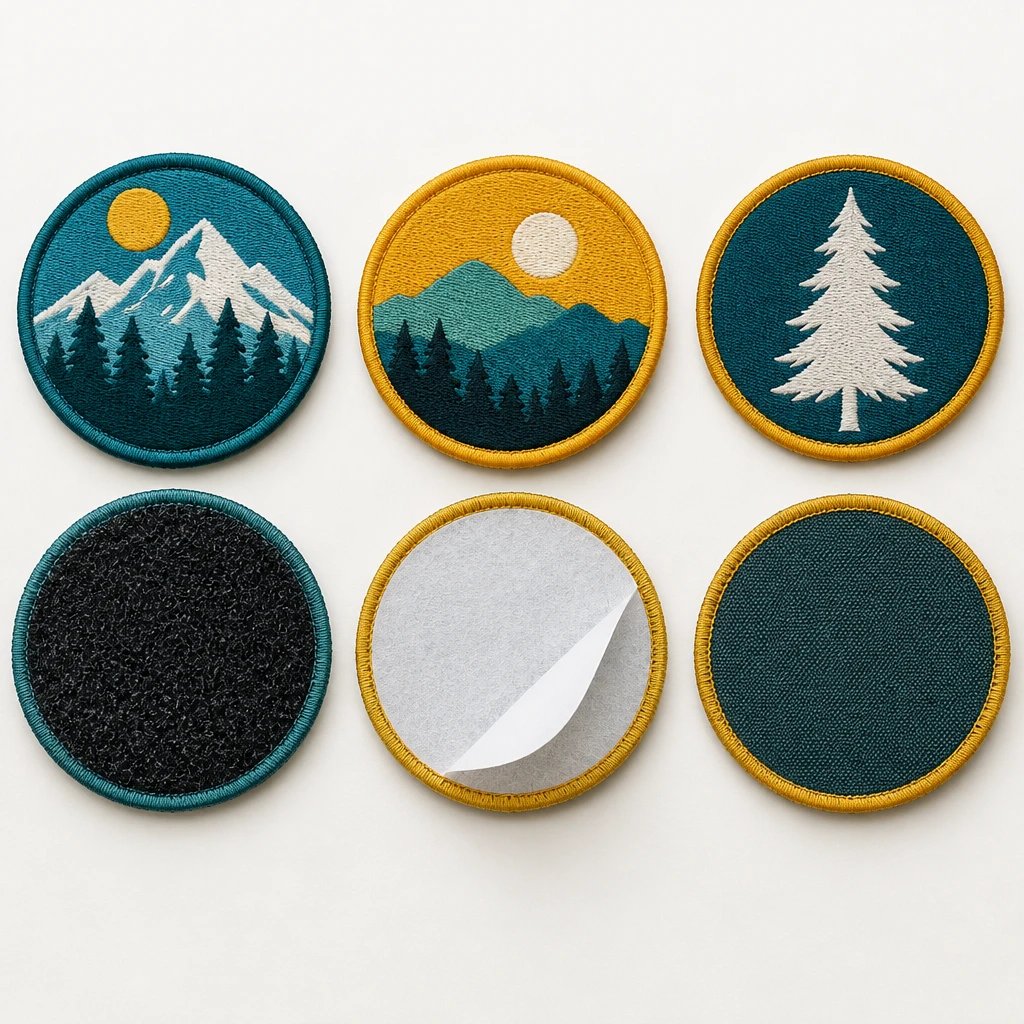
Best Backing for Beanies Patches
For most beanies, a flexible patch sewn to the relaxed cuff beats a heat-applied patch. Compare attachment durability, artwork detail, installation costs, and the exceptions worth testing.
Read article →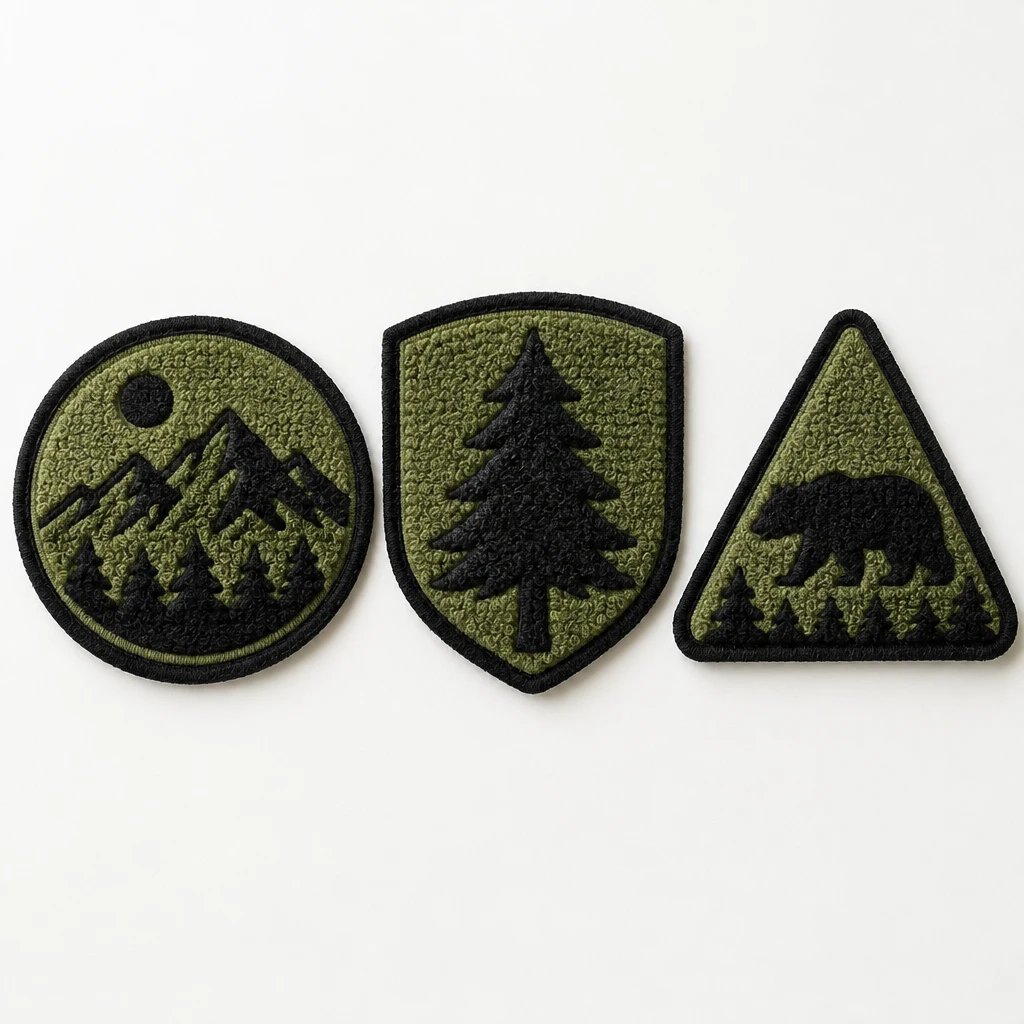
Chenille vs PVC Patches for Small Orders: Cost and Quality
Chenille earns its place on varsity jackets; PVC earns its place on gear that gets dirty. Compare the construction, setup, attachment, and small-order trade-offs before paying for either.
Read article →
How Omaha Companies Use Custom Patches for Uniforms
A uniform patch can look right on a screen and still be wrong for the shirt. These nine ordering mistakes explain unreadable lettering, awkward placement, lifting edges, and unnecessary replacement costs.
Read article →
How to Choose Custom Patches for Jackets
Start with the jacket, not the artwork. Match patch material, dimensions, backing, and placement to the garment before you approve a team, club, or workwear order.
Read article →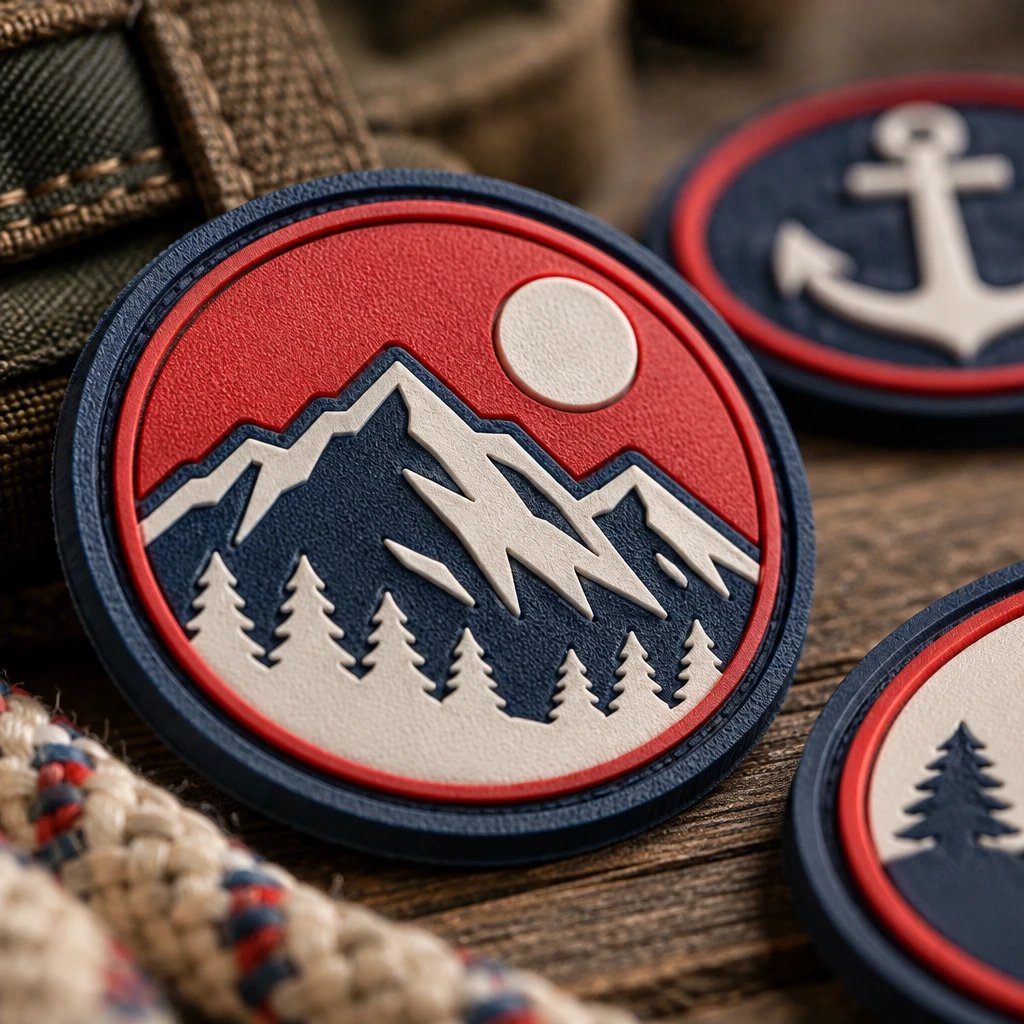
Leather vs PVC Patches for Small Orders: Cost and Quality
Leather gives a quiet, textured finish. PVC handles water and color better. For a small order, the useful comparison is setup plus decoration plus attachment, not just the material name.
Read article →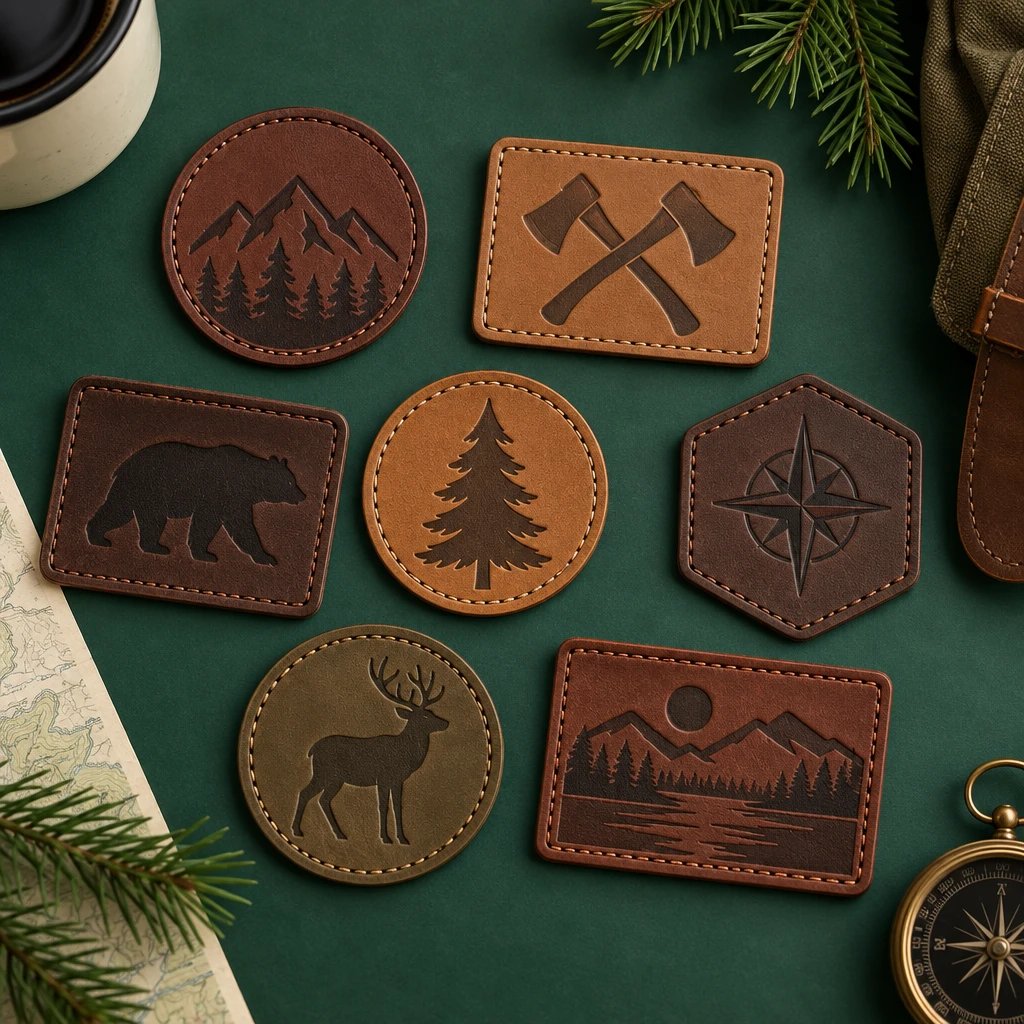
What Is the Best Backing for leather Patches?
Sew-on is the safest default for most leather patches. Here is when heat adhesive, hook-and-loop, or a simple positioning adhesive makes more sense, including the garment checks that prevent an expensive attachment mistake.
Read article →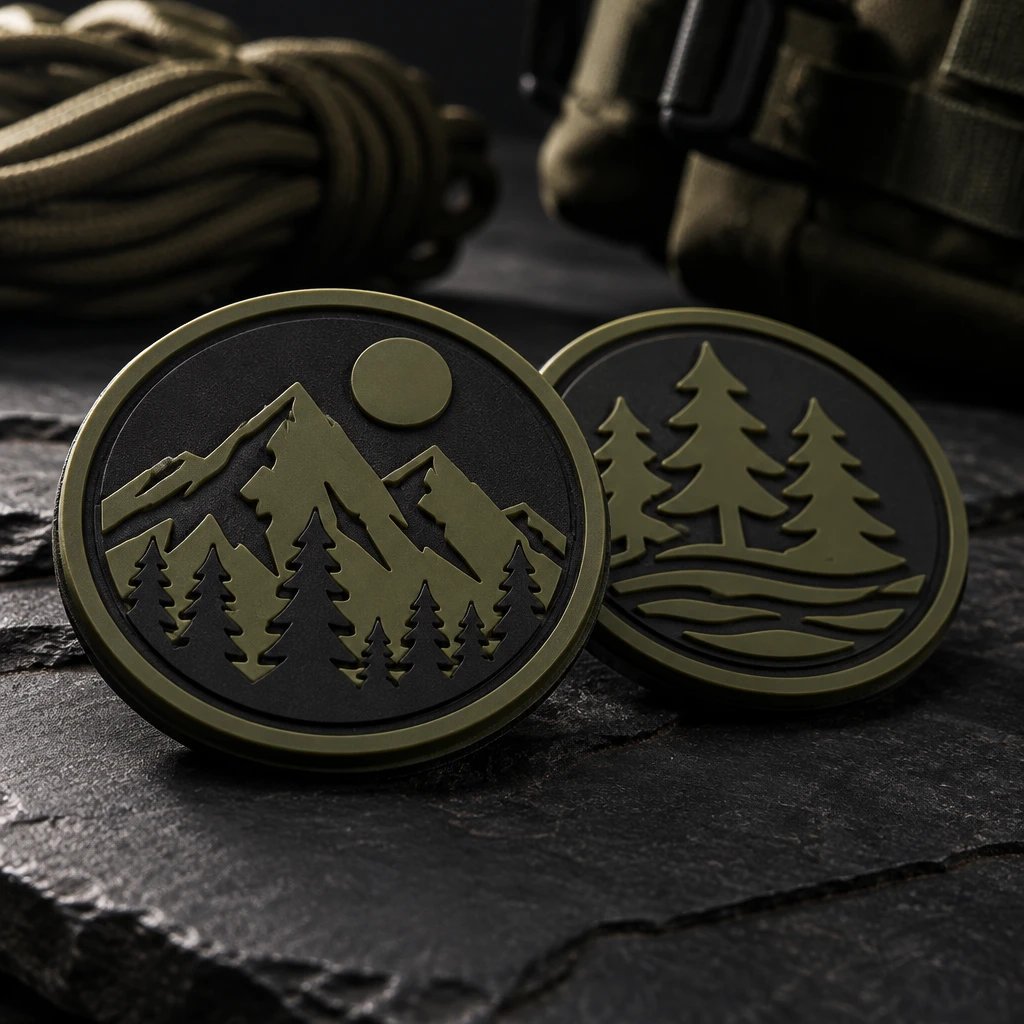
When Should You Choose PVC Patches Over Other Types?
PVC is the right call for some outdoor gear and the wrong call for plenty of shirts. These eight ordering mistakes explain the difference before you approve a patch.
Read article →
3D Embroidered or PVC Patches for Uniforms: Durability Compared
PVC usually wins for wet, dirty uniforms. Raised embroidery earns its place on bold cap logos and presentation garments. Here is how to judge the material, attachment, care limits, and cost before ordering.
Read article →
Arlington TX School and Club Patches: A Parent and Organizer Guide
Start with the garment, not the mascot artwork. Follow the decisions that keep school and club patches readable, attachable, and straightforward to approve.
Read article →
Custom Patches vs Embroidered Hats and Shirts for Virginia Beach Teams
Patches make sense when the same team badge needs to work across hats, jackets, and bags. Direct embroidery often wins on polos and lightweight shirts. Here is how to compare the artwork, garment, attachment, and actual installed cost.
Read article →
What Is the Best Backing for 3D embroidered Patches?
Sew-on is the default for permanent raised embroidery, but it isn't the answer for every garment. Compare heat-seal, hook-and-loop, and temporary adhesive by installation, wear, cost, and removal.
Read article →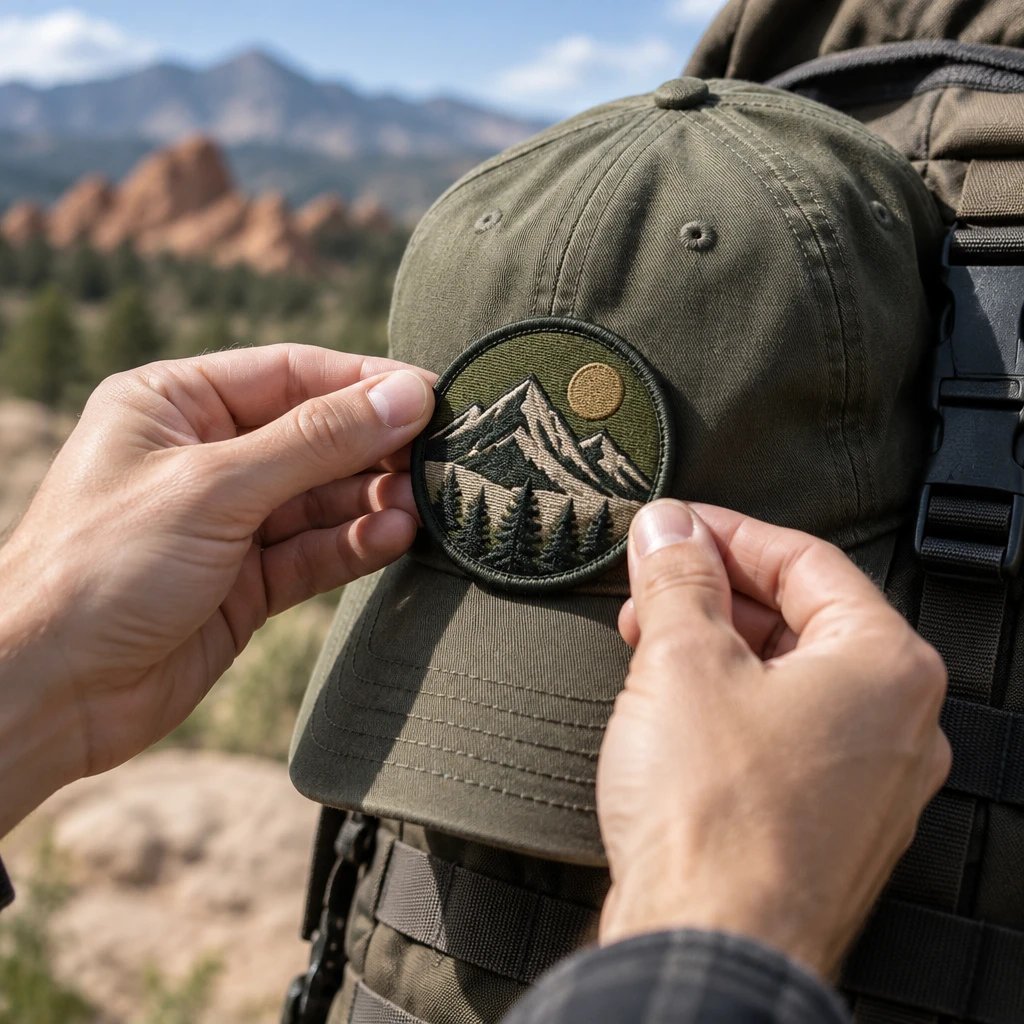
Bulk Patch Orders for Colorado Springs Events: Planning and Deadlines
Patch size and stitched coverage lead the cost discussion, but backing, artwork, quantity, and approval timing can change the whole event budget. Here’s how to quote a Colorado Springs run without overlooking attachment and delivery.
Read article →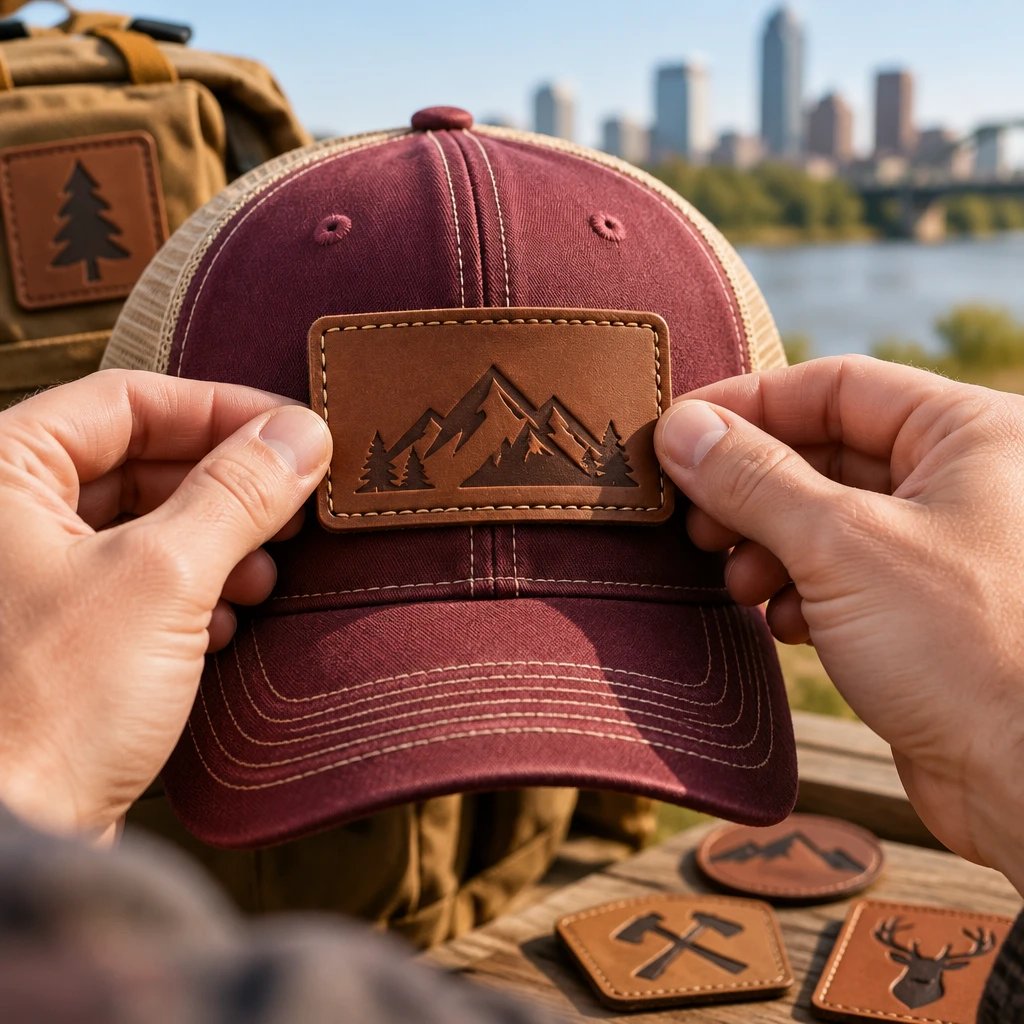
Custom Hat Patches in Omaha: Sizes, Backings and Styles
A center seam, a curved crown and a little too much lettering can change a hat patch before the first stitch. Production notes on sizing, materials, borders, attachment and approval for Omaha cap orders.
Read article →
Woven vs Printed Patches on Hats and Jackets
Choose woven for a flat-color logo that should look like fabric. Choose printed when shading, photographs, or gradients carry the design. Then check the edge, backing, and garment before comparing prices.
Read article →Frequently Asked Questions
Who writes these guides?
Guides are written from live USA production notes at USA Customized Patches — sizing, backings, mockups, and how to order — not generic roundups.
Can I order after reading a guide?
Yes. Open Get a Free Mockup from any article. Include type, size, quantity, and artwork for a free 12-hour digital proof.
What is the minimum order?
5 patches per design. A chest logo and a name tab count as two designs.
Is the mockup free?
Yes. Every quote includes a free digital mockup, usually within 12 hours. We only produce after you approve it in writing.
How long does production take?
Typical production plus USA shipping is 7–12 business days after written mockup approval. Ask about rush options on the quote form.
Do you ship across the USA?
Yes. We ship to all 50 states. Alaska, Hawaii, PO boxes, and APO/FPO addresses may add transit time.
What backing options do you offer?
Sew-on, iron-on, Velcro (hook), adhesive, and plastic backing are available depending on the patch type and how you will wear it.